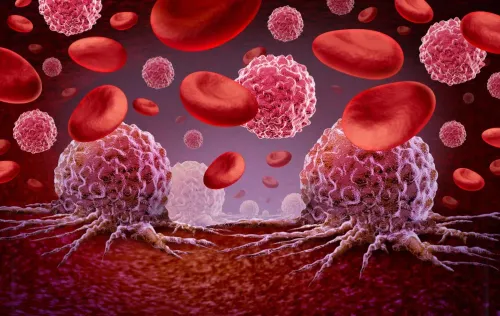

Abnormal blood counts do not always indicate cancer. Infection, nutritional deficiencies, autoimmune conditions, medicines and many non-cancerous disorders can change haemoglobin, white blood cells or platelets.
However, persistent or unexplained abnormalities may require evaluation by a haemato oncologist in PCMC, particularly when blood cancer or a bone marrow disorder is suspected.
What a Haemato-Oncologist Treats
A haemato-oncologist focuses on cancers and complex disorders involving blood, bone marrow and the lymphatic system. These include:
- Leukaemia
- Lymphoma
- Multiple myeloma
- Myelodysplastic syndromes
- Myeloproliferative neoplasms
- Selected plasma-cell disorders
- Certain persistent blood-count abnormalities
Medical oncologists primarily manage solid cancers such as breast, lung, gastrointestinal and ovarian cancers. There is overlap, but blood cancers often require specialised interpretation of blood, bone marrow, immunophenotyping and molecular findings.
Findings That May Need Further Evaluation
A referral may be appropriate when routine tests repeatedly show:
- Unexplained anaemia
- Very high or low white blood cell counts
- Persistent low platelets
- Abnormal or immature cells
- Increased total protein
- Multiple blood-cell lines below normal
- Unexplained enlarged lymph nodes
- Persistent spleen enlargement
One isolated abnormal result may be temporary. The pattern, severity, duration and associated symptoms determine what happens next.
Symptoms That Should Not Be Ignored
Possible warning signs include recurrent fever, drenching night sweats, unexplained weight loss, persistent fatigue, frequent infections, unusual bleeding, easy bruising, bone pain or painless lymph-node swelling.
These symptoms are not specific to blood cancer. Their presence indicates a need for medical assessment rather than a diagnosis.
Tests Used During Evaluation
The first step is usually a careful history, examination and review of previous blood reports. Further investigations may include:
- Complete blood count with peripheral smear
- Reticulocyte count
- Liver and kidney function tests
- Iron, vitamin B12 and folate studies
- Serum protein electrophoresis
- Flow cytometry
- Molecular or cytogenetic tests
- Bone marrow aspiration or biopsy
- Imaging when lymph nodes or organs require assessment
Not every patient needs every test. Investigations are selected according to the suspected condition.
Why Bone Marrow Testing May Be Recommended
Bone marrow produces red blood cells, white blood cells and platelets. Examining it can help identify abnormal cells, determine how extensively the marrow is involved and provide material for specialised testing.
The procedure is commonly performed using local anaesthesia. Patients should ask why it is needed, whether aspiration, biopsy or both are planned, and when the results are expected.
Preparing for the Appointment
Patients from Pimpri Chinchwad and nearby Pune neighbourhoods should bring:
- All recent and older blood reports
- Imaging and biopsy results
- Hospital discharge summaries
- A complete medicine list
- Details of previous transfusions
- Family history of blood disorders
- A record of symptoms and their duration
Dr. Siddhesh Tryambake evaluates both malignant and complex haematological findings within a medical oncology and haemato-oncology framework. A specialist consultation does not mean cancer has been confirmed. Its purpose is to distinguish temporary or non-cancerous abnormalities from conditions that require further investigation and timely treatment.
Keywords