
Breast cancer is one of the most common cancers affecting women worldwide, but it is also one of the most treatable when diagnosed early. Increased awareness, routine screening, and advances in medical oncology have led to better treatment outcomes and improved survival rates. Understanding when to consult a specialist can help patients receive timely care and make informed decisions.
If you are looking for a breast cancer specialist in Pune, knowing the early warning signs, available diagnostic tests, and modern treatment options is an important first step.
Why Early Detection Matters
Breast cancer often develops without causing pain in its early stages. Many women discover changes during self-examinations or routine health check-ups. Detecting cancer before it spreads allows doctors to recommend less extensive treatment while improving the chances of successful recovery.
Women above the age of 40 are generally encouraged to undergo regular breast screening, although younger women with a strong family history or genetic risk factors may also require earlier evaluation.
Signs You Should Never Ignore
Not every breast change is cancer, but certain symptoms should always be assessed by a medical professional.
Watch for signs such as:
- A lump in the breast or underarm
- Changes in breast size or shape
- Skin dimpling or thickening
- Persistent breast pain in one area
- Nipple discharge, especially if bloody
- Nipple inversion that develops suddenly
- Redness or swelling of the breast
- Changes in the skin resembling an orange peel
Even if these symptoms turn out to be non-cancerous, early evaluation provides reassurance and ensures that any underlying condition is treated promptly.
Who Is at Higher Risk?
Breast cancer can affect anyone, but certain factors increase the likelihood of developing the disease.
These include:
- Increasing age
- Family history of breast or ovarian cancer
- Inherited gene mutations such as BRCA1 or BRCA2
- Previous history of breast cancer
- Obesity
- Smoking and excessive alcohol consumption
- Hormonal factors
- Limited physical activity
Having one or more risk factors does not mean a person will develop breast cancer, but it highlights the importance of regular screening.
How Breast Cancer Is Diagnosed
An accurate diagnosis is essential before deciding on the most appropriate treatment plan.
Your oncologist may recommend:
Clinical Breast Examination
A physical examination helps identify lumps or other abnormalities that require further investigation.
Mammography
Mammograms remain one of the most effective screening tools for detecting breast cancer at an early stage.
Breast Ultrasound
Ultrasound imaging helps evaluate breast lumps, particularly in younger women with denser breast tissue.
MRI Scan
Breast MRI may be advised for selected patients with complex findings or a higher genetic risk.
Biopsy
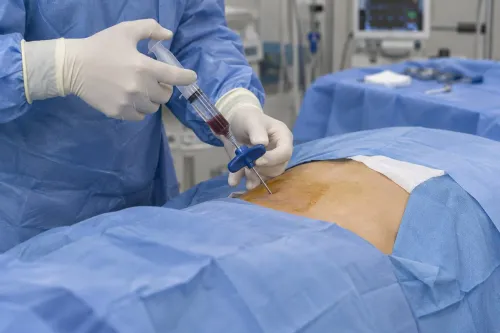
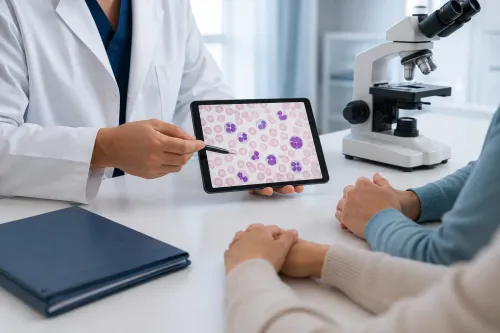
A biopsy confirms whether a suspicious lump is cancerous and provides detailed information about the cancer type and its characteristics.
Modern Treatment Options
Breast cancer treatment is no longer based on a single approach. Instead, oncologists develop personalized treatment plans according to the stage of cancer, tumour biology, hormone receptor status, and the patient's overall health.
Treatment may include:
- Surgery
- Chemotherapy
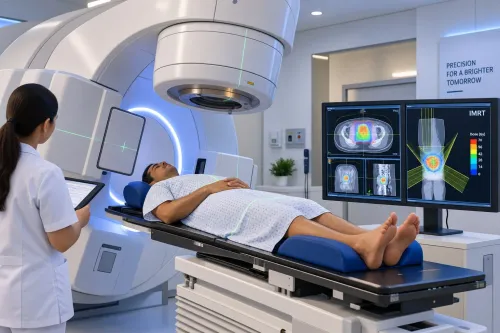
- Radiation therapy
- Hormone therapy
- Targeted therapy
- Immunotherapy for selected cases
Many patients receive a combination of these treatments to achieve the best possible outcome.
Personalized Oncology Care Makes a Difference
Every breast cancer diagnosis is unique. Factors such as tumour size, lymph node involvement, genetic markers, and overall health influence treatment recommendations.
Dr. Siddhesh Tryambake carefully evaluates each patient's condition before designing an individualized treatment strategy. This patient-centred approach helps ensure that therapies are aligned with both medical needs and long-term quality of life.
Accessing Breast Cancer Care in Pune and PCMC
Patients living in Pune, PCMC, Pimpri Chinchwad, Wakad, Hinjawadi, Chinchwad, Nigdi, Ravet, Punawale, and Pimple Saudagar have access to advanced diagnostic facilities and modern oncology treatments close to home.
Receiving care locally offers several advantages:
- Faster access to specialist consultations
- Convenient follow-up appointments
- Easier coordination between surgeons, oncologists, and diagnostic teams
- Reduced travel during chemotherapy or other ongoing treatments
- Better support from family members throughout treatment
These practical benefits contribute to a smoother treatment experience and improved continuity of care.
Frequently Asked Questions
Is every breast lump cancer?
No. Many breast lumps are benign, such as cysts or fibroadenomas. However, every new lump should be evaluated by a specialist.
Can young women develop breast cancer?
Yes. Although breast cancer is more common after the age of 40, younger women can also develop the disease, particularly if there is a family history or genetic predisposition.
Is chemotherapy necessary for every patient?
Not always. Some patients may only require surgery and hormone therapy, while others may benefit from chemotherapy, targeted therapy, or immunotherapy depending on the type and stage of cancer.
How often should women undergo screening?
Screening recommendations vary based on age and individual risk factors. Women should discuss an appropriate screening schedule with their healthcare provider.
Taking the First Step Toward Early Diagnosis
Early recognition of symptoms and timely consultation with an oncology specialist can make a significant difference in breast cancer outcomes. Advances in diagnosis and treatment now allow many patients to receive highly personalized care with better long-term results.
For individuals searching for a breast cancer specialist in Pune, choosing an experienced medical oncologist who focuses on evidence-based treatment planning can provide clarity, confidence, and comprehensive support throughout every stage of cancer care.
Keywords