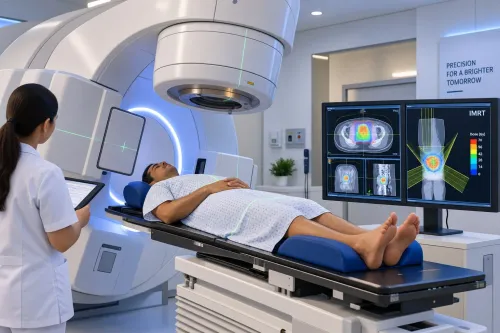

Cancer treatment has advanced significantly, giving patients access to therapies that go beyond traditional chemotherapy and radiation. One of the most important breakthroughs is advanced cancer immunotherapy, a treatment that empowers the body's immune system to identify and fight cancer cells more effectively.
Although immunotherapy has transformed the treatment of several cancers, it is not the right choice for everyone. Understanding when it is recommended and how it differs from other treatments can help patients and their families make informed decisions.
What Is Advanced Cancer Immunotherapy?
The immune system constantly works to identify and eliminate abnormal cells. However, some cancer cells develop ways to escape detection, allowing them to multiply and spread.
Advanced cancer immunotherapy helps restore the immune system's ability to recognize these cancer cells and attack them. Instead of directly destroying cancer cells like chemotherapy, immunotherapy stimulates the body's natural defence mechanisms.
This innovative approach has become an important option for selected cancers and is now part of standard treatment guidelines in many situations.
When Is Immunotherapy Recommended?
Immunotherapy is considered after a detailed medical evaluation rather than being routinely used for every cancer diagnosis.
Your oncologist may recommend it if:
- Your cancer has specific biomarkers that respond to immunotherapy.
- The cancer has spread beyond its original site.
- Standard chemotherapy alone is unlikely to provide the best outcome.
- The disease has returned after previous treatment.
- Research has shown better outcomes with immunotherapy for your particular cancer type.
The decision depends on clinical evidence, diagnostic reports, and the patient's overall health.
Cancers That May Benefit from Immunotherapy
Modern immunotherapy has shown encouraging results in several cancers, including:
- Lung cancer
- Melanoma
- Kidney cancer
- Bladder cancer
- Hodgkin lymphoma
- Certain head and neck cancers
- Selected breast cancers
- Some gastrointestinal cancers
Ongoing research continues to expand its use in additional cancer types.
How Is Eligibility Determined?
Not every patient is a suitable candidate.
Before recommending immunotherapy, doctors often perform additional investigations such as:
- Histopathology review
- Biomarker testing
- PD-L1 expression analysis
- Molecular profiling
- Genetic testing, when indicated
- PET-CT or CT imaging
- Routine blood investigations
These tests help identify whether immunotherapy is likely to be beneficial.
What Are the Benefits?
While results vary from one patient to another, immunotherapy offers several potential advantages.
These include:
- Targeted treatment for eligible patients
- Longer-lasting response in certain cancers
- Better disease control in selected cases
- Possibility of combining with other treatments
- Improved quality of life for some patients
The effectiveness depends on the biology of the cancer and individual response to treatment.
Understanding the Possible Side Effects
Like every cancer treatment, immunotherapy has potential side effects.
Some patients may experience:
- Fatigue
- Fever
- Skin rash
- Joint pain
- Diarrhoea
- Thyroid-related hormonal changes
- Inflammation affecting organs such as the lungs or liver
Unlike chemotherapy, many of these side effects occur because the immune system becomes more active. Early recognition and timely medical care are important for successful management.
Why Specialist Evaluation Is Essential
Because immunotherapy is highly individualized, treatment decisions should always be based on a comprehensive medical assessment.
Dr. Siddhesh Tryambake evaluates each patient's diagnosis, stage of cancer, biomarker profile, and overall health before determining whether immunotherapy should be included in the treatment plan. This ensures that every recommendation is supported by current oncology guidelines and scientific evidence.
Access to Advanced Cancer Care in Pune and PCMC
Patients from Pune, PCMC, Pimpri Chinchwad, Wakad, Hinjawadi, Ravet, Punawale, Nigdi, Chinchwad, and Pimple Saudagar can now access advanced oncology services closer to home.
Receiving treatment locally provides several practical advantages:
- Convenient follow-up appointments
- Reduced travel during ongoing therapy
- Better support from family members
- Faster access to oncology consultations
- Improved continuity of care throughout treatment
These benefits help patients remain focused on recovery while reducing the burden of frequent long-distance travel.
Making the Right Treatment Decision
Advanced cancer immunotherapy has become one of the most significant developments in oncology, offering new possibilities for patients with several types of cancer. However, successful treatment depends on choosing the right therapy for the right patient at the right time.
For individuals considering advanced cancer immunotherapy, consulting an experienced medical oncologist is the best way to understand whether this treatment is appropriate for their condition. A thorough evaluation, evidence-based treatment planning, and continuous monitoring ensure that every patient receives care that is personalized, effective, and aligned with their long-term health goals.
Keywords