Mouth sores, fever, vomiting, swelling, swallowing trouble and breathing changes need different responses during oral cancer treatment. You will learn which symptoms require emergency care, what you can safely do at home, what to report to the oncology team, and how to prepare useful information before calling.
Key takeaways
- Call your oncology team immediately for a temperature of 38°C or higher.
- Seek emergency care for breathing trouble, uncontrolled bleeding, confusion or inability to swallow fluids.
- Do not start painkillers, antibiotics or dental treatment without oncology advice.
- Record symptoms, medicines, temperature readings and treatment dates before calling.
Decide whether to call the oncology team or seek emergency care
Take your temperature and call the oncology team as soon as a new or worsening problem appears. A temperature of 38°C (100.4°F) or higher during chemotherapy or other cancer treatment needs immediate oncology advice; do not take paracetamol and wait, because fever can be the only sign of a serious infection.
Seek emergency care rather than waiting for a routine appointment if you have:
- Trouble breathing, choking, or inability to swallow liquids
- Uncontrolled mouth bleeding, sudden facial or neck swelling, fainting, or confusion
- Very low urine output, severe dizziness, or inability to keep fluids down
- Rapidly worsening weakness or a severe allergic reaction
Tell the team when the symptom began, whether it is worsening, your measured temperature, how much you are drinking and urinating, your latest treatment date, and every medicine you have taken. Bring your treatment list and record the oncology team’s instructions.
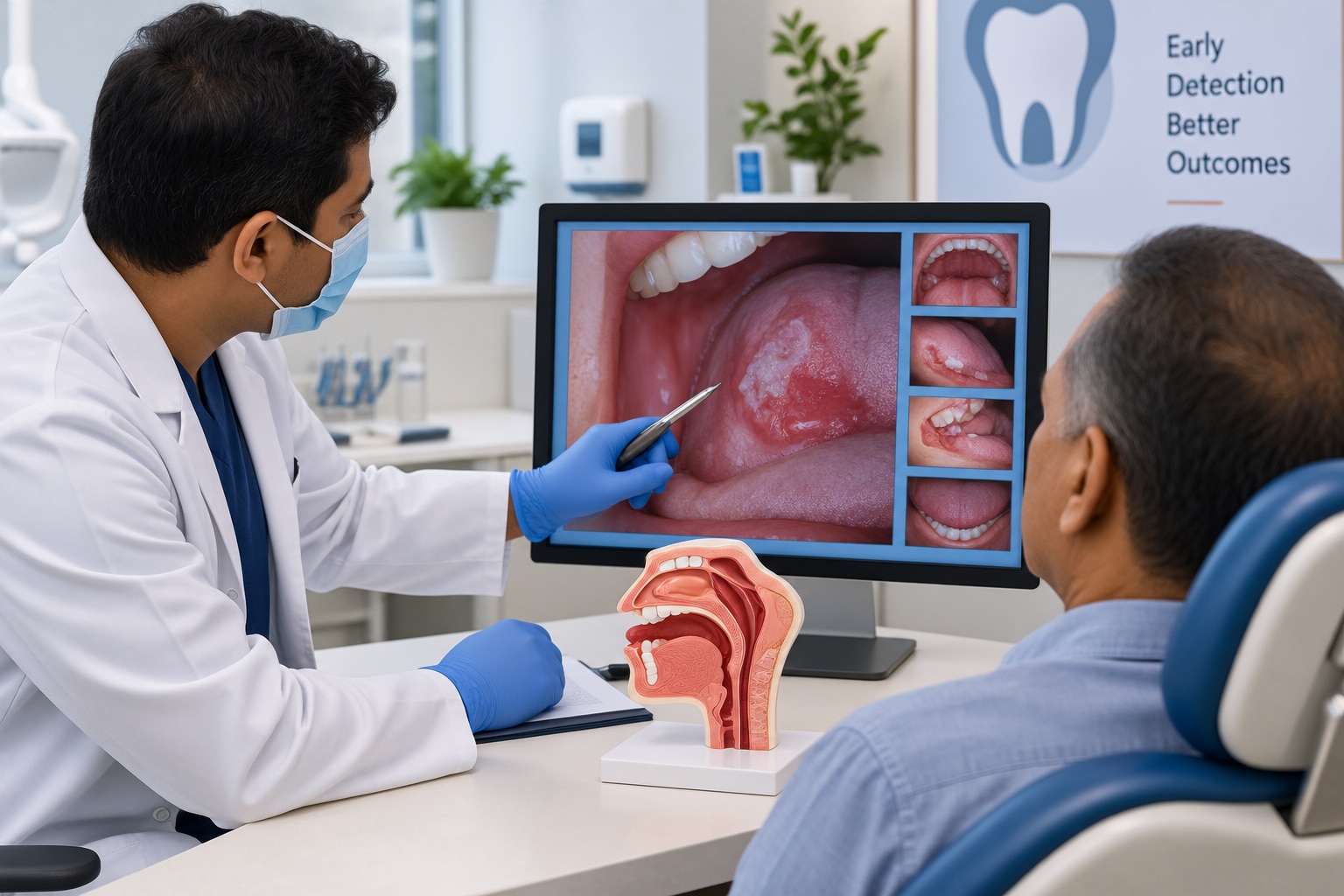
New ulcers, white patches, bleeding, severe pain, or difficulty drinking need early assessment because oral cancer treatment side effects can cause dehydration, malnutrition, infection, or treatment delays.
Report new diarrhoea, abdominal pain, cough, breathlessness, severe rash, jaundice, confusion, marked weakness, or reduced urine promptly during immunotherapy; these can signal inflammation in the bowel, lungs, liver, hormone glands, or kidneys.
Whether you seek oral cancer treatment for problems in Pune or elsewhere, do not start herbal remedies, high-dose vitamins, or supplements before checking with the oncology team.
Manage mouth ulcers, pain, dry mouth and swallowing problems safely
Mouth ulcers and pain need early attention because they can cause dehydration, weight loss, infection and treatment delays. Rinse gently four times daily with 240 mL water mixed with ¼ teaspoon salt and ¼ teaspoon baking soda; do not swallow.
Use a soft toothbrush, choose cool soft foods, take small frequent sips, and avoid tobacco, alcohol, spicy foods and acidic drinks.
| Problem | Home-care step | Same-day action |
|---|---|---|
| Ulcers, white patches or bleeding | Rinse gently; do not scrape patches or apply aspirin | Call the oncology team for new sores, thrush-like patches, bleeding or worsening pain |
| Dry mouth or thick saliva | Sip water often, use an oncology-approved saliva substitute, and run a humidifier | Seek advice if you cannot maintain fluids or urine becomes very low |
| Painful swallowing | Sit upright, take small bites and use prescribed pain relief as directed | Contact the team if pain prevents eating, drinking or sleep |
| Choking or breathing difficulty | Stop eating and stay upright | Seek emergency care immediately |
Do not start herbal remedies, high-dose vitamins or supplements without oncology approval. They can interact with treatment and affect bleeding or liver function. A topical gel alone may not control severe pain; ask about a complete plan, including systemic analgesia and constipation prevention if an opioid is prescribed.
Go to emergency care for inability to swallow liquids, uncontrolled bleeding, sudden facial or neck swelling, confusion, fainting or breathing trouble. These are urgent oral cancer treatment side effects, not symptoms to wait on for a routine appointment.
Recognise complications linked to surgery, radiation, chemotherapy and immunotherapy
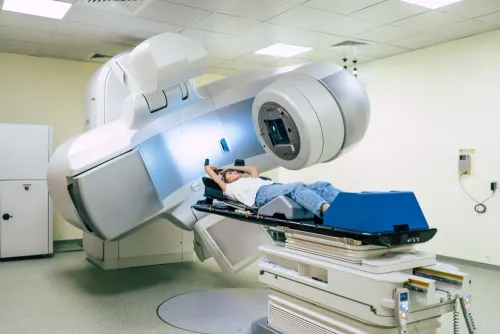
Mouth soreness, dry mouth, altered taste, fatigue and a gradual skin reaction in the radiation field can be expected oral cancer treatment side effects. They still need reporting if they worsen, prevent eating or drinking, or do not match the treatment team’s advice.
- Infection: a temperature of 38°C (100.4°F) or higher, chills, pus, foul mouth odour, rapidly increasing swelling, or worsening pain needs immediate oncology advice. Do not take paracetamol and wait; low white-cell counts can make fever the only warning.
- Dehydration: inability to drink, dizziness, very dark urine, or markedly reduced urine output requires same-day assessment. Persistent vomiting or diarrhoea can cause dehydration quickly.
- Aspiration: coughing or choking during drinks, a wet or gurgly voice after swallowing, new breathlessness, or repeated chest infections suggests food or liquid is entering the airway. Stop forcing oral intake and contact the team urgently.
- Medication reaction: hives, facial or tongue swelling, wheezing, faintness, or sudden breathing difficulty is an emergency. A new widespread rash also needs prompt advice.
- Organ complication: during immunotherapy, report new diarrhoea, abdominal pain, cough, breathlessness, jaundice, confusion, severe weakness, or reduced urine. These can signal bowel, lung, liver, hormone or kidney inflammation.
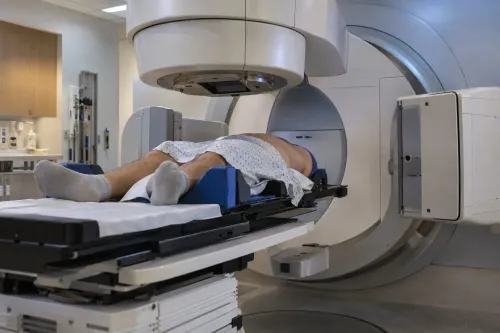
After surgery, uncontrolled bleeding, rapidly increasing neck or facial swelling, or trouble breathing requires emergency care. Radiation skin that becomes blistered or infected-looking needs review; wash gently, pat dry, and apply only products approved by the radiation team. Chemotherapy-related vomiting, fever or bleeding should not wait for a routine appointment.
Record symptoms and avoid unsafe medication or dental decisions
Record your temperature with a thermometer, not by touch, and note the time, treatment day and last dose of every medicine. Report 38°C (100.4°F) or higher immediately during chemotherapy or other cancer treatment; do not take paracetamol and wait, because it can conceal a serious infection.
Keep a short log and send it to the oncology team:
- Mouth pain from 0 to 10, ulcer locations, bleeding and whether pain prevents eating or drinking.
- Swallowing difficulty, choking or coughing with liquids, vomiting and diarrhoea.
- Fluid intake, urine frequency and colour, daily weight, facial swelling and breathing changes.
- The name, strength and time of every prescription, over-the-counter product, supplement and herbal remedy.
| Decision | Why independent action is unsafe | What to do |
|---|---|---|
| Pain or fever medicine | Aspirin and ibuprofen can increase bleeding or kidney risk; paracetamol can hide fever | Ask the oncology team before starting, stopping or changing doses |
| Herbal products, high-dose vitamins or supplements | They can alter anticancer medicines, bleeding or liver function | Check every product with the oncology team first |
| Radiation-area creams, perfume or adhesive dressings | Friction and unapproved products can worsen damaged skin | Wash gently, pat dry and use only the moisturiser and timing approved by the radiation team |
| Dental extraction, implants or other invasive work | Low blood counts, infection risk and irradiated jaw tissue change healing and bleeding risk | Arrange it only after coordination with oncology and an experienced dental or oral-maxillofacial clinician |
Choose coordinated follow-up care in Pune after the immediate problem is addressed
Once the immediate problem is controlled, choose follow-up around coordination, not a clinic’s treatment list. Ask who manages dental healing, nutrition, swallowing, pain, infection, medication interactions and emergency escalation.
A routine appointment is not suitable for breathing difficulty, inability to swallow liquids, uncontrolled bleeding, sudden facial or neck swelling, confusion, fainting, or a temperature of 38°C (100.4°F) or higher during treatment.
| Option | Check before choosing | Warning sign |
|---|---|---|
| oral cancer treatment in Pune | Can the team share records and coordinate surgery, radiation, systemic therapy, dental care and rehabilitation? | You are sent between providers without one clinician owning the plan |
| oral cancer care in PCMC | Is there named nutrition, swallowing, pain and infection support, with an after-hours contact? | The clinic cannot explain who handles fever, dehydration or aspiration |
| oral cancer specialist in Pimpri-Chinchwad | Will the specialist review medicines, supplements, dental procedures and scan or blood-test results together? | Advice focuses only on the tumour while ulcers, weight loss or swallowing decline continue |
Before head-and-neck radiation, confirm that a dental assessment is arranged. After radiation, plan extractions or invasive dental work with the oncologist and an experienced oral-maxillofacial clinician because jaw healing can be impaired.
A consultation with Dr Siddhesh Tryambake is most useful when you bring your symptom log, medicines, treatment dates, temperature readings and recent reports, then leave with named referrals and a written escalation plan. Do not add herbal remedies, high-dose vitamins or supplements without oncology approval.
Related services
Cancer Screening Oral Cancer Treatment in PCMC – Expert Care by Dr. Siddhesh Tryambake Comprehensive Oral Cancer Diagnosis and Treatment at Phoenix Cancer Care... View service → |
Comfort Care Nutrition Counselling for Cancer Patients in PCMC Expert Nutrition Counselling at Phoenix Cancer Care Clinic, PCMC Proper nutrition plays a vital... View service → |
Frequently asked questions
When should you call the oncology team or seek emergency care?
Call the oncology team immediately for a temperature of 38°C (100.4°F) or higher during treatment. Seek emergency care for breathing difficulty, uncontrolled bleeding, confusion, severe dehydration or inability to swallow fluids.
How can you manage mouth ulcers, pain, dry mouth and swallowing problems safely?
Use only mouth rinses, pain medicines and dietary changes approved by your oncology team. Choose soft, moist foods, take small sips of fluid and report worsening pain, dehydration or swallowing difficulty promptly.
What complications can follow oral cancer surgery, radiation, chemotherapy or immunotherapy?
Surgery can cause bleeding, swelling and infection. Radiation can cause mouth sores, dry mouth and swallowing problems. Chemotherapy can lower infection-fighting blood cells, while immunotherapy can trigger new inflammatory symptoms that need medical review.
What symptoms and treatment details should you record?
Record your temperature, symptom start time, severity, medicines taken, fluid intake, mouth changes, bowel movements and treatment dates. Share the list with the oncology team and avoid unsupervised medicines or dental procedures.
How can you choose coordinated oral cancer follow-up care in Pune?
Choose a team that can coordinate oncology, surgery, radiation, dental assessment, nutrition and supportive care. Ask who handles urgent symptoms, how to reach the team after hours and where follow-up tests occur.
Related services
Comfort Care Pain Management for Cancer Patients in PCMC Comprehensive Pain Management at Phoenix Cancer Care Clinic, PCMC At Phoenix Cancer Care Clinic, PCMC,... View service → |
Dignostics Cancer Treatment Planning in PCMC – Personalized Oncology Care Comprehensive Cancer Treatment Planning at Phoenix Cancer Care Clinic, PCMC At Phoenix... View service → |
Comfort Care Psychological Support for Cancer Patients in PCMC Compassionate Psychological Support at Phoenix Cancer Care Clinic, PCMC A cancer diagnosis can... View service → |
Keywords