
Blood cancers do not follow one treatment pathway: a suspected lymphoma, acute leukaemia, myeloma or chronic blood disorder may require different tests, specialists and levels of urgency. By the end, you will know which symptoms need assessment, what records to take, how treatment decisions are made and which questions to ask before booking specialist care.
Key takeaways
- Seek a haemato-oncologist for persistent blood-count changes, swollen lymph nodes or unexplained bleeding.
- Diagnosis may require blood tests, bone marrow examination, imaging and genetic or molecular testing.
- Treatment depends on the cancer type, stage, genetic findings, symptoms and your overall health.
- Keep test reports and medicines ready, and seek emergency help for fever, bleeding or severe breathlessness.
Which blood cancers and symptoms need a haemato-oncologist?
Acute lymphoblastic leukaemia, acute myeloid leukaemia, chronic lymphocytic leukaemia, chronic myeloid leukaemia, Hodgkin lymphoma, non-Hodgkin lymphoma, multiple myeloma, myelodysplastic syndromes and myeloproliferative neoplasms all need assessment by a haemato-oncologist. These diseases arise in blood, bone marrow, lymph nodes or plasma cells and require disease-specific interpretation of tests and treatment.
Ask for specialist blood cancer care if you have:
- Persistent fever, recurrent infections or severe fatigue
- Drenching night sweats or unexplained weight loss
- Unexplained bruising, prolonged bleeding or unusually pale skin
- Swollen lymph nodes that persist or enlarge
- Bone pain, especially with abnormal blood counts
These symptoms do not prove cancer, but they justify medical assessment. Suspected acute promyelocytic leukaemia, severe bleeding, new bruising with illness, breathlessness or confusion require emergency care, not a routine “haemato oncologist near me” appointment.
| Specialist | Main role | When you see them |
|---|---|---|
| General physician | Initial examination and common-condition care | First assessment and referral |
| Haematologist | Blood disorders, counts and clotting problems | Abnormal blood results or suspected blood disease |
| Haemato-oncologist | Blood cancers and systemic treatment | Leukaemia, lymphoma, myeloma and marrow cancers |
| Medical oncologist | Drug treatment for many solid cancers | Breast, lung, gastrointestinal and other solid tumours |
| Radiation oncologist | Targeted radiation treatment | Lymphoma or other cancers needing radiotherapy |
| Transplant physician | Stem-cell transplant and donor-related care | Selected high-risk or relapsed disease |
What tests confirm a blood cancer diagnosis?
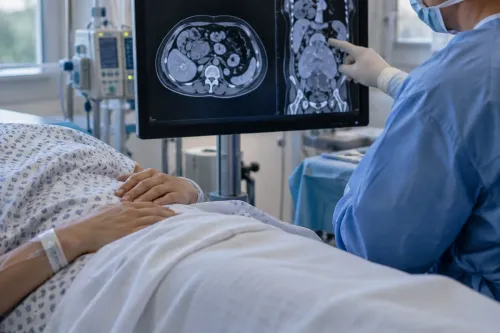
A complete blood count (CBC) with differential detects abnormal numbers of red cells, white cells or platelets, but it does not confirm blood cancer. The pathway may add a peripheral-blood smear, reticulocyte count and flow cytometry, followed by a bone-marrow aspirate and biopsy when leukaemia, myeloma or a marrow disorder is suspected.
Enlarged lymph nodes require tissue sampling, while imaging shows disease location and organ involvement. A haemato oncology clinic in Pune should coordinate these tests and ensure specialist pathology review.
| Test | What it shows | When it applies |
|---|---|---|
| Complete blood count and smear | Cell numbers, shapes and abnormal circulating cells | First-line assessment; an abnormal result needs further testing |
| Bone-marrow aspirate and biopsy | Marrow cells, architecture, blast percentage and iron stores | Suspected leukaemia, myeloma, myelodysplastic syndrome or marrow failure |
| Lymph-node or other tissue biopsy | Cell structure and immunohistochemistry markers | Suspected lymphoma or disease outside the marrow |
| Molecular and chromosome tests | FISH, karyotype, PCR or next-generation sequencing findings | Confirms subtype, risk and treatment targets |
Bring these items to your first appointment:
- Every CBC, smear, scan and biopsy report, including the laboratory’s reference ranges
- A list of medicines, allergies, previous transfusions and major illnesses
- The actual pathology slides or paraffin blocks if another laboratory holds them
- A symptom timeline, fever readings, weight changes and family history of blood disorders
- Questions about who reviews the marrow, tissue and molecular results, and whether a second opinion is available
How is treatment selected for each blood cancer?
The diagnosis comes first, but treatment is adjusted after risk, molecular findings and your ability to tolerate it are reviewed. An indolent, symptom-free disorder may need observation, while aggressive disease, high-risk cytogenetics or worsening blood counts requires prompt treatment.
Kidney function, liver function, infection risk, age and fitness can change drug doses and the safest regimen.
| Option | What it means | When it applies |
|---|---|---|
| Observation | Regular blood counts, examinations and scans without immediate treatment | Selected stable, low-risk or symptom-free disease |
| Chemotherapy | Drugs that kill or suppress rapidly dividing cancer cells | Acute leukaemias, aggressive lymphomas and other high-risk disease |
| Targeted therapy | Drugs aimed at a mutation, protein or cellular pathway | When molecular or cytogenetic testing identifies a suitable target |
| Immunotherapy | Antibodies, bispecific drugs, checkpoint inhibitors or CAR-T cells | Specific diagnoses and treatment histories; these approaches are not interchangeable |
| Corticosteroids | Medicines that rapidly suppress lymphoid cancer and inflammation | Common in lymphoid cancers, often combined with other treatment |
| Transfusions | Red-cell or platelet replacement | Anaemia, bleeding or dangerously low counts |
| Growth-factor support | Medicines that stimulate white-cell or red-cell production | Selected patients at infection or prolonged neutropenia risk |
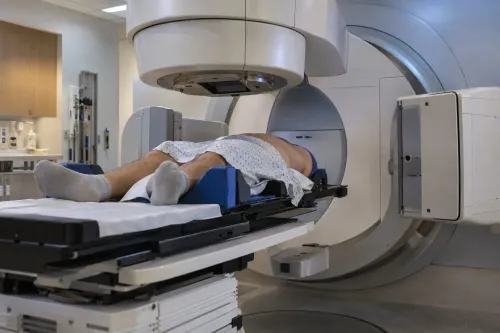
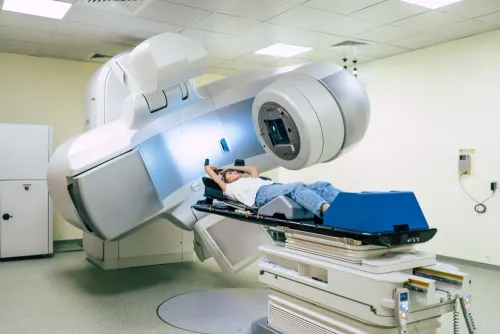
| Radiation | Focused treatment to a body area | Localised lymphoma, painful bone disease or urgent compression |
| Stem-cell transplantation | High-dose treatment followed by stem-cell rescue | Fit patients with suitable disease response; donor transplant differs from autologous rescue used in selected myeloma |
For haemato oncology treatment in pune, ask how transfusions, infection prevention and tumour-lysis monitoring are arranged. A transplant assessment also covers response, HLA or donor availability, organ function, fertility and caregiver support.
Where should you book specialist blood-cancer care in Pune?
Book a service that can interpret the diagnosis and manage complications, not merely administer an infusion. A haemato oncology clinic in Pune should show how specialist review, hospital access and treatment planning fit together before you pay for an appointment.
| Service feature | Specialist service | General infusion facility |
|---|---|---|
| Blood films, marrow biopsies and molecular results | Reviewed by a haemato-oncologist with haematopathology input | Reports may be accepted without specialist re-review |
| Case discussion | Presented at a multidisciplinary meeting when diagnosis or treatment is complex | Plan usually follows the referring doctor’s order |
| On-site treatment | Chemotherapy, targeted therapy, immunotherapy, transfusions and supportive medicines are specified | Infusion chairs may offer fewer options |
| Complications | Written arrangements for urgent admission, infection care and transfusion support | Patient may be redirected elsewhere |
| Advanced care | Documented referral for transplant or cellular therapy, with records transferred | Referral pathway may be unclear |
Ask these questions before booking:
- Who will review the peripheral smear, marrow aspirate and biopsy, flow cytometry, cytogenetics, FISH or molecular report?
- Is a second pathology opinion available when reports conflict?
- Which treatments and blood products are delivered on site, and where are urgent admissions made?
- Who answers after hours, and which hospital receives patients who deteriorate?
For blood cancer treatment Pimpri Chinchwad patients can use, Dr Siddhesh Tryambake’s specialist oncology and supportive-care service in Pimpri Colony, Morewadi is worth assessing against this checklist. Confirm the actual referral, transfusion and after-hours arrangements rather than assuming every treatment occurs in the clinic.
Related service
Cancer Medicine Haemato-Oncology is a specialized branch of medicine focused on the diagnosis, treatment, and management of blood-related cancers and disorders. View service → |
What should you do before treatment and during an emergency?
Book routine specialist care when you are stable and need treatment planning. Do not wait for a routine “haemato oncologist near me” appointment if acute promyelocytic leukaemia is suspected: its bleeding and clotting complications require urgent specialist assessment. Go to emergency care for severe bleeding, new bruising with illness, breathlessness, confusion or rapid deterioration.
During chemotherapy, treat fever as an emergency because it can signal neutropenic sepsis. Contact the oncology team immediately for an oral temperature of 38.3°C once, or 38.0°C lasting one hour with neutropenia; follow a lower threshold if your written plan gives one.
- Before treatment, save the clinic’s 24-hour contact number and confirm the nearest emergency department, after-hours admission route and arrangements for urgent blood tests, transfusions and antibiotics.
- Ask whether fertility preservation can happen before intensive chemotherapy, conditioning or selected radiotherapy. Sperm, egg or embryo preservation takes time and may become impossible after urgent treatment starts.
- If transplantation or cellular therapy is possible, confirm how the team will assess disease response, HLA matching or donor availability, heart, lung, liver and kidney function, infections, fertility and caregiver support. A clinic that does not perform transplant should provide a documented referral.
When comparing blood cancer treatment pimpri chinchwad options, judge emergency access and supportive care—not only chemotherapy-chair availability.
Frequently asked questions
Which blood cancers need a haemato-oncologist?
A haemato-oncologist assesses acute and chronic leukaemias, Hodgkin and non-Hodgkin lymphomas, multiple myeloma, myelodysplastic syndromes and myeloproliferative neoplasms.
What tests confirm a blood cancer diagnosis?
Doctors may use a complete blood count, peripheral blood smear, bone marrow aspiration or biopsy, lymph-node biopsy, imaging, flow cytometry, cytogenetic tests and molecular testing.
How is blood cancer treatment selected?
Treatment is selected according to the specific cancer, stage, genetic or molecular findings, symptoms, treatment goals, age and general health. Options can include chemotherapy, immunotherapy, targeted therapy, radiation therapy or a stem-cell transplant.
Where can you book specialist blood-cancer care in Pune?
Book an assessment with a specialist haemato-oncologist in Pune or Pimpri-Chinchwad who can coordinate diagnosis, treatment planning, therapy and supportive care.
What should you do before treatment or during an emergency?
Bring pathology reports, blood counts, scans, medication lists and previous treatment records. Seek urgent medical help for fever during treatment, uncontrolled bleeding, severe breathlessness, confusion or sudden weakness.
Keywords