The first appointment is usually a detailed assessment and treatment-planning visit, not an automatic chemotherapy session. Knowing what to bring, which questions clinicians ask and how the findings affect treatment will help you and your family prepare for a productive visit.
Key takeaways
- Book assessment time, not an assumed chemotherapy session.
- Bring medication lists, cancer records, scans and a trusted support person.
- Expect questions about mobility, memory, nutrition, mood and daily activities.
- Leave with named next steps, warning signs and a follow-up date.
Before the appointment: booking, timing and who should attend
Book the first geriatric oncology visit in Pune as an assessment and treatment-planning appointment, not as an automatic chemotherapy session. When scheduling, ask whether the consultation includes a formal geriatric assessment, which tests or records are needed, whether other services are available on the same day, and whom to call about transport or urgent symptoms.
- Reserve at least half a day. The visit may include waiting, medical history, functional questions, medication review, examination and referrals, so avoid scheduling another commitment immediately afterward.
- Bring the patient with one caregiver or relative who knows their daily routine, falls, memory changes, appetite and medicines. Add an interpreter or another support person if hearing, vision, language or cognition could affect communication.
- Carry biopsy and pathology reports, scan reports and images, recent blood-test results, discharge summaries and previous cancer-treatment records.
- Prepare a written medication list showing each prescription, dose and timing. Include painkillers, over-the-counter drugs, vitamins and herbal products.
- Pack insurance documents, identification, current prescriptions, hearing aids, glasses and a notebook for questions.
Before travelling, confirm the clinic address, department, appointment time, parking or wheelchair access and whether fasting is required. Ask how treatment-day transport will be arranged if chemotherapy, radiation or another procedure is recommended.
A family member who helps with medicines or decisions should join the discussion, because the plan must fit the patient’s goals, support at home and ability to return for monitoring.
Check-in and the older adult cancer assessment
Check-in starts with registration, identity verification and confirmation of the appointment type. Staff collect or scan pathology reports, scan reports and images, blood results, discharge summaries, previous treatment records and insurance documents. Tell the team about mobility, hearing or vision needs before the consultation begins.
During an older adult cancer assessment in Pune, the clinician confirms the diagnosis and stage, then asks about the patient’s goals and current symptoms. A brief screen such as G8 or VES-13 may identify vulnerability; a low score is not a cancer diagnosis, but it signals the need for a fuller review.
The visit may include these steps:
- Review every prescription, over-the-counter medicine, vitamin and herbal product, including dose and timing.
- Ask whether the patient has fallen, struggles with walking, or needs help bathing, dressing, cooking or managing money.
- Check appetite, weight loss, pain, sleep, mood, memory, continence, hearing and vision.
- Confirm whether a caregiver is present and ask about transport, home support and treatment-day help.
Standard oncology consultation | Older adult cancer assessment Focus | Tumour, stage and ECOG performance status | Cancer plus function, mobility, cognition, mood, nutrition, illnesses, medicines and social support Key question | Which treatment fits the cancer? | Which treatment fits the cancer and the person’s abilities, risks and goals?
Outcome | Treatment recommendation | Treatment plan plus actions for reversible problems and needed referrals
This first visit is usually assessment and planning, not an automatic chemotherapy session. Ask whether the clinic provides a formal assessment and whether nutrition, physiotherapy, psycho-oncology or palliative-care review occurs on the same day.
The questions, tests and records that shape the care plan
Treatment decisions start with what the patient can safely manage, not tumour stage alone. During a geriatric cancer consultation in Pune, the clinician asks about:
- Daily function: bathing, dressing, toileting, eating, shopping, cooking and managing money or medicines without help.
- Mobility and frailty: walking speed, chair rises, grip strength, fatigue, weight loss and dependence on a walking aid. A Timed Up and Go test or another brief mobility screen may be used.
- Falls: every fall in the past year, near-falls, dizziness, footwear, vision and hazards at home.
- Cognition: memory, orientation and whether the patient can understand instructions; a brief screen such as Mini-Cog may be appropriate.
- Nutrition: appetite, swallowing, dental problems, recent weight change and access to food. Weight, body mass index and muscle loss guide nutrition support.
- Mood and sleep: persistent sadness, anxiety, isolation, insomnia and loss of interest.
- Other illnesses: heart, lung, kidney, liver, neurological and autoimmune conditions, plus hearing or vision impairment.
- Medicines: every prescription, over-the-counter drug, vitamin and herbal product, with its dose and timing.
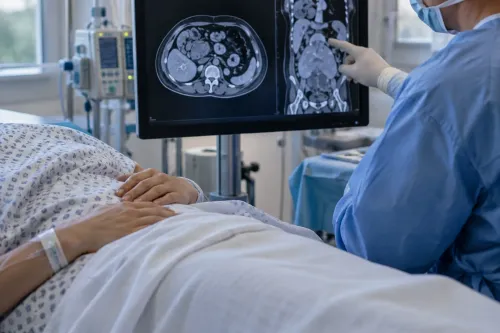
Bring the medicine strips or a written list, along with pathology reports, scan reports and images, blood results, discharge summaries and previous treatment records. The clinician checks for duplicate medicines, interactions and reduced kidney or liver function before choosing treatment. Social support, caregiver availability and transport also affect whether a plan is practical.
Discussing treatment options, risks and practical feasibility
The geriatric oncology appointment process in Pune uses the assessment to match treatment intensity with the patient’s cancer, health reserve and goals—not age alone. The oncologist reviews stage, treatment intent, symptoms, medicines, daily function and reversible problems before recommending a plan.
A CARG score may estimate severe chemotherapy-toxicity risk, but it supports clinical judgment rather than replacing it.
| Option | How the assessment shapes the discussion | Feasibility question |
|---|---|---|
| Chemotherapy | Frailty, kidney function, nutrition, medicines and CARG risk guide dose, schedule and monitoring. | Can the patient attend safely and recover between cycles? |
| Immunotherapy | Existing autoimmune disease, steroid use, organ function and ability to report new symptoms affect suitability. | Who will identify and report side effects quickly? |
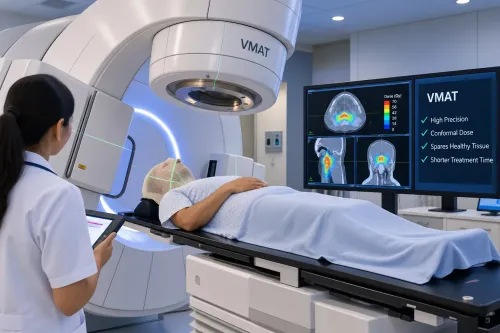
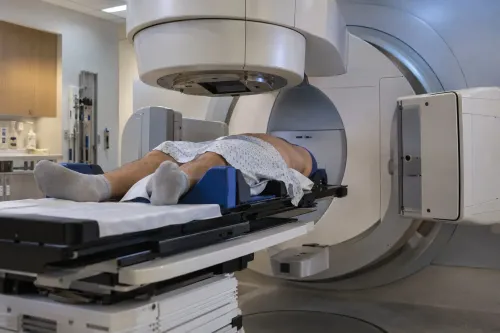
| Radiation | Mobility, pain, cognition and ability to lie still affect planning and tolerance. | Can the patient manage daily travel, transfers and the number of visits? |
| Surgery | Frailty, falls, heart or lung disease and recovery support influence operative risk. | Who will manage wound care, meals and mobility afterward? |
| Surveillance | Stable disease, life expectancy, symptoms and the patient’s preferences determine whether monitoring is reasonable. | What change triggers an earlier review? |
| Supportive care | Pain, weight loss, constipation, sleep, mood and caregiver strain receive active treatment alongside cancer care. | Which referral should happen before treatment starts? |
Ask whether departments share records and who coordinates nutrition, physiotherapy or palliative care. Dr Siddhesh Tryambake can clarify whether his consultation includes these referrals, required tests and transport planning. A practical plan is one the patient can complete safely, not merely one that is medically possible.
Related services
Cancer Screening Geriatric Oncology Services in PCMC Specialized Cancer Care for Senior Citizens at Phoenix Cancer Care Clinic At Phoenix Cancer Care Clinic, PCMC,... View service → |
Comfort Care Geriatric Cancer Care & Support Geriatric Cancer Care & Support in PCMC Comprehensive Geriatric Oncology Support at Phoenix Cancer Care Clinic, PCMC At Phoenix Cancer Care Clinic,... View service → |
Leaving with a follow-up plan and clear next steps
Before leaving the first geriatric oncology visit in Pune, ask for a written plan rather than relying on memory. The geriatric oncology appointment process in Pune can involve different departments, so confirm who is responsible for each next step and where it will happen.
1. Confirm the working diagnosis, treatment goal, and next appointment date. Ask when blood tests, scans, weight checks, symptom reviews or medication changes are due, and who will review the results.
2. Record every referral: radiation oncology, surgical oncology, nutrition, physiotherapy, psycho-oncology, palliative care, dental care or social support. Write down the department, facility, appointment date, contact number and whether a caregiver must attend.
3. Arrange transport before treatment starts. Ask how long visits may take, whether the patient needs an escort, where wheelchair access is available and what to do if travel from home becomes unsafe. Discuss backup transport for early appointments or sudden weakness.
4. Get an urgent-contact number and written warning signs. Ask where to go after hours for fever, breathlessness, chest pain, confusion, repeated vomiting, severe diarrhoea, uncontrolled pain, a fall or sudden weakness. If immunotherapy is planned, ask specifically about new cough, jaundice, rash, severe fatigue or bowel changes.
Have the patient or caregiver repeat the plan in their own words. Clarify who can consent, who receives test results and when to call instead of waiting for the next review.
Frequently asked questions
What should you ask when booking a first geriatric oncology visit in Pune?
Ask whether the appointment includes a formal geriatric assessment, which records and tests to bring, whether other services are available the same day, and whom to contact about transport or urgent symptoms.
Who should attend a geriatric cancer consultation in Pune?
The older adult should attend with a family member, caregiver or trusted support person who knows their medicines, daily functioning and health history.
What happens during an older adult cancer assessment in Pune?
The team reviews the cancer diagnosis and treatment history, medicines, mobility, memory, nutrition, mood, daily activities, other illnesses and practical support needs.
What should you bring to the appointment?
Bring pathology reports, scan images and reports, discharge summaries, blood-test results, a complete medicine list with doses, previous treatment details and insurance or identification documents.
How are treatment options discussed at a geriatric oncology appointment?
The team weighs the cancer, expected treatment benefit, side effects, other illnesses, physical function, cognition, nutrition, transport, caregiver support and the older adult’s goals.
Keywords