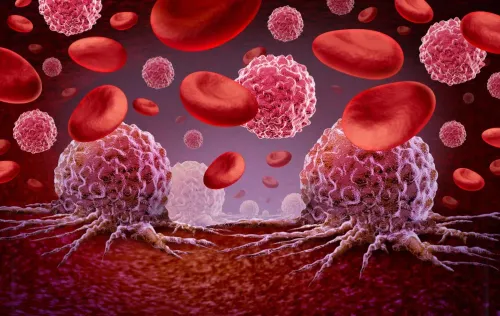

Multiple myeloma is a cancer of plasma cells, which normally produce antibodies. Abnormal plasma cells can accumulate in bone marrow and produce proteins that affect the bones, kidneys, blood counts and immune system.
Patients preparing for multiple myeloma treatment in Pune need more than a medicine list. A complete plan should assess disease activity, organ health, transplant eligibility, infection risk and supportive-care needs.
Confirm That Treatment Is Indicated
Some people have monoclonal gammopathy of undetermined significance or smouldering myeloma, which may not require immediate treatment. Active myeloma is diagnosed using specific clinical and biomarker criteria.
Evidence may include:
- Anaemia attributable to the disease
- Kidney impairment
- High calcium
- Bone lesions
- Significant bone marrow plasma-cell involvement
- Particular biomarker findings associated with progression risk
The specialist should explain which findings establish active disease and why treatment is recommended.
Complete the Baseline Assessment
Before therapy, patients may undergo blood counts, kidney and liver tests, calcium measurement, serum and urine protein studies, free light-chain testing, bone marrow examination and appropriate imaging.
Chromosome and molecular findings from plasma cells help estimate disease risk. Heart or nerve assessment may be relevant depending on the intended medicines.
Discuss the Treatment Strategy
Initial therapy commonly uses combinations of medicines with different mechanisms. Options can include proteasome inhibitors, immunomodulatory medicines, monoclonal antibodies, steroids and other agents.
For suitable patients, autologous stem cell transplantation may form part of the treatment pathway. Eligibility depends on overall fitness, organ function, treatment response and clinical judgment rather than age alone.
Important questions include:
- What is the disease stage and risk category?
- Which medicines are recommended and why?
- Is stem cell transplantation being considered?
- How many cycles are planned before reassessment?
- Will maintenance treatment be needed?
- How will response be measured?
Prepare for Supportive Care
Myeloma treatment extends beyond controlling abnormal plasma cells. Patients may need bone-strengthening therapy, pain management, infection prevention or treatment for anaemia.
Kidney protection is particularly important. Patients should follow individual hydration guidance, avoid unapproved pain medicines and inform the oncology team before undergoing contrast imaging or starting supplements.
Dental assessment may be recommended before some bone-strengthening medicines because of the small but important risk of jaw complications.
Recognise Urgent Symptoms
Prompt assessment is needed for fever, reduced urine output, confusion, sudden severe weakness, new limb weakness, loss of bladder or bowel control, or rapidly worsening back pain.
Back pain accompanied by neurological symptoms can indicate spinal cord compression and requires emergency evaluation.
Organise Practical Support
Treatment may involve frequent blood tests and day-care visits. Families should organise transport, emergency contacts, medicine schedules and a record of laboratory trends.
Dr. Siddhesh Tryambake’s haemato-oncology practice includes evaluation and systemic treatment planning for plasma-cell disorders in Pune. Readiness should be measured by diagnostic completeness, patient understanding and a safe supportive-care plan not simply by how soon the first medicine can be administered.
Multiple myeloma is often managed over an extended period. Clear treatment phases and consistent monitoring can help patients and caregivers navigate decisions with greater confidence.
Keywords