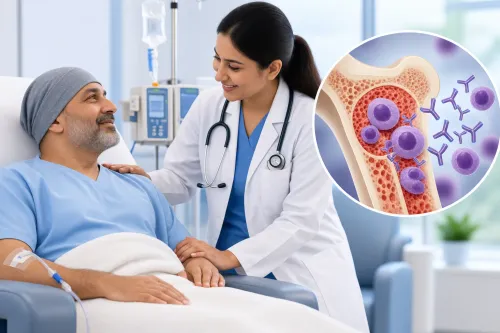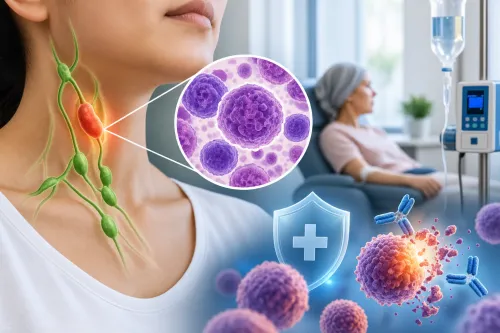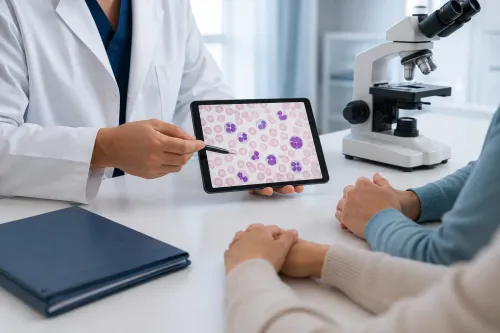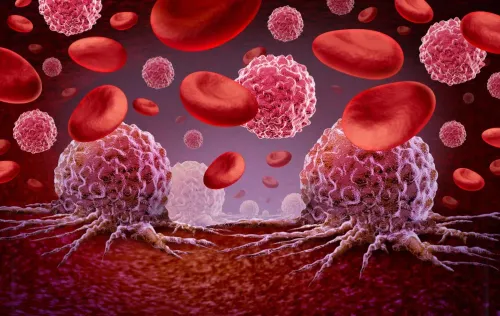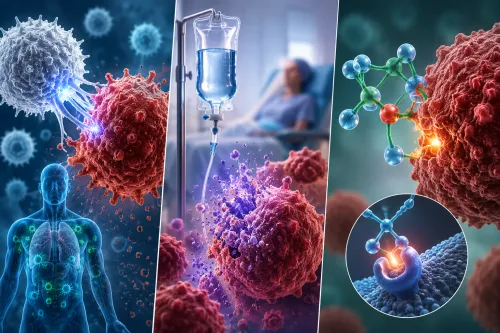

Cancer treatment has changed dramatically over the past decade. Earlier, many patients received similar treatment plans for the same type of cancer. Today, advances in medical science allow oncologists to tailor treatment based on the type of cancer, its stage, genetic characteristics, and the patient's overall health. This personalized approach has improved treatment outcomes while helping many patients maintain a better quality of life.
If you are exploring modern cancer treatment in Pune, understanding these advances can help you appreciate how today's oncology care differs from traditional treatment methods.
What Makes Modern Cancer Treatment Different?
Modern oncology focuses on treating the individual rather than just the disease. Before recommending a treatment plan, oncologists evaluate several factors, including:
- The type of cancer
- Stage of the disease
- Tumour biology
- Genetic and molecular markers
- Age and general health
- Existing medical conditions
- Previous cancer treatments, if any
This detailed assessment helps doctors recommend therapies that are more precise and appropriate for each patient.
Personalized Treatment Planning
No two cancer patients have exactly the same diagnosis. Even patients with the same type of cancer may respond differently to treatment.
A personalized treatment plan may include one or more of the following:
- Chemotherapy
- Immunotherapy
- Targeted therapy
- Hormone therapy
- Surgery
- Radiation therapy
- Supportive and palliative care
The sequence and combination of these treatments are carefully planned to maximize effectiveness while minimizing unnecessary side effects.
The Role of Precision Diagnostics
Modern cancer care begins with accurate diagnosis.
Today's investigations go beyond routine scans and biopsies. Depending on the type of cancer, doctors may recommend:
- Advanced imaging such as PET-CT or MRI
- Histopathology
- Immunohistochemistry
- Molecular testing
- Genetic profiling
- Biomarker analysis
These tests help determine which treatment is most likely to work for a particular patient.
Advances in Chemotherapy
Chemotherapy continues to be one of the most effective cancer treatments, but it has evolved significantly.
Modern chemotherapy protocols offer:
- Better drug combinations
- More accurate dosing
- Improved supportive medications
- Reduced nausea and vomiting
- Better infection prevention
- Enhanced monitoring during treatment
Many patients are now able to receive chemotherapy as daycare treatment without prolonged hospital admission.
Growing Role of Immunotherapy
Immunotherapy has become an important option for selected cancers.
Instead of directly attacking cancer cells, it helps the immune system recognize and destroy them more effectively.
It may be recommended for certain cases of:
- Lung cancer
- Melanoma
- Kidney cancer
- Bladder cancer
- Hodgkin lymphoma
- Selected breast cancers
- Other cancers with specific biomarkers
Not every patient is eligible, making specialist evaluation essential.
Targeted Therapy Is Improving Precision
Unlike traditional chemotherapy, targeted therapy focuses on specific genetic mutations or proteins responsible for cancer growth.
Potential benefits include:
- Greater treatment precision
- Less damage to healthy cells
- Better disease control in selected cancers
- Combination with other therapies when appropriate
Targeted therapy is recommended only after suitable molecular testing confirms eligibility.
Comprehensive Support Beyond Cancer Treatment
Modern oncology is not limited to treating cancer itself. It also focuses on supporting patients physically and emotionally throughout treatment.
Comprehensive care often includes:
- Nutritional counselling
- Pain management
- Psychological support
- Infection prevention
- Management of treatment side effects
- Regular monitoring through blood tests and imaging
This holistic approach helps patients cope better with treatment and maintain their daily activities whenever possible.
Benefits of Receiving Cancer Care Close to Home
Patients from Pune, PCMC, Pimpri, Chinchwad, Wakad, Hinjawadi, Nigdi, Ravet, Punawale, and Pimple Saudagar often require multiple visits for investigations, treatment sessions, and follow-up consultations.
Accessing oncology services locally offers several practical advantages:
- Reduced travel during ongoing treatment
- Easier scheduling of appointments
- Better support from caregivers
- Faster access to medical attention when required
- Improved continuity of treatment
These conveniences become especially valuable during long-term cancer management.
Choosing an Experienced Oncology Specialist
Modern cancer treatment requires expertise, careful planning, and continuous monitoring.
Dr. Siddhesh Tryambake develops individualized treatment strategies based on each patient's diagnosis, stage of disease, and overall health. Rather than following a standardized approach, treatment decisions are guided by current clinical evidence and internationally accepted oncology practices.
Patients should also feel comfortable discussing:
- Available treatment options
- Expected benefits
- Possible side effects
- Treatment timelines
- Follow-up schedules
- Long-term monitoring plans
Clear communication helps patients actively participate in decisions about their care.
Looking Ahead
Advances in oncology have transformed the way cancer is diagnosed and treated. Personalized medicine, precision diagnostics, immunotherapy, targeted therapy, and improved supportive care have created new possibilities for many patients across different types of cancer.
For individuals considering modern cancer treatment in Pune, consulting an experienced medical oncologist is the first step toward understanding the most appropriate treatment options. With individualized care, evidence-based therapies, and a patient-focused approach, modern oncology aims not only to treat cancer but also to improve overall quality of life throughout the treatment journey.
Keywords