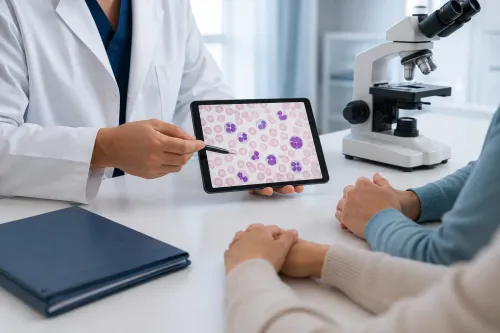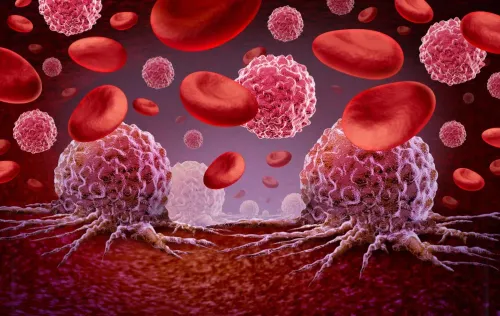
Lymphoma is a type of blood cancer that begins in the lymphatic system, an important part of the body's immune system. While the diagnosis can feel overwhelming, advances in oncology have made lymphoma more treatable than ever before. Early diagnosis, accurate classification, and personalized treatment planning play a crucial role in improving outcomes.
If you are searching for lymphoma treatment in PCMC, understanding the disease and the treatment options available can help you make informed decisions for yourself or a loved one.
What Is Lymphoma?
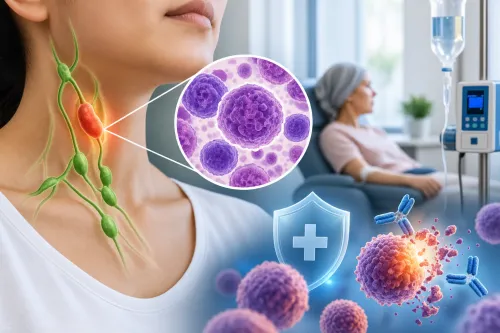
Lymphoma develops when lymphocytes, a type of white blood cell, begin to grow abnormally. These cancerous cells can collect in lymph nodes and other organs, affecting the body's ability to fight infections.
Lymphoma is broadly classified into two main categories:
- Hodgkin Lymphoma – Often diagnosed in younger adults and generally responds well to treatment.
- Non-Hodgkin Lymphoma (NHL) – A larger group of lymphomas with many subtypes that differ in growth rate and treatment approach.
Since each subtype behaves differently, identifying the exact type of lymphoma is essential before beginning treatment.
Early Symptoms of Lymphoma
Many symptoms of lymphoma are subtle in the early stages and can resemble common infections. However, persistent symptoms should never be ignored.
Common signs include:
- Painless swelling of the neck, armpit, or groin lymph nodes
- Persistent fever
- Night sweats
- Unexplained weight loss
- Extreme fatigue
- Persistent cough or chest discomfort
- Itching without an obvious cause
- Loss of appetite
Having these symptoms does not necessarily mean lymphoma is present, but they should be evaluated by a qualified oncology specialist.
How Is Lymphoma Diagnosed?
Diagnosis involves more than identifying enlarged lymph nodes. Several investigations help determine the exact subtype and stage of the disease.
These may include:
- Physical examination
- Blood investigations
- Lymph node biopsy
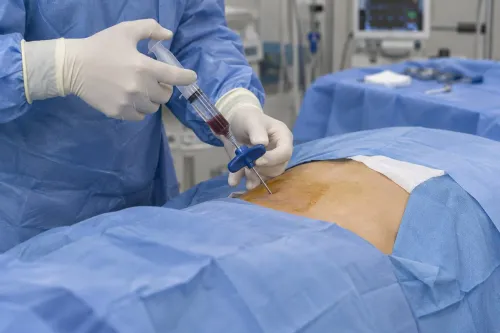
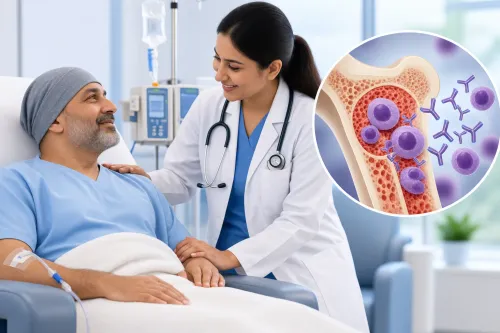
- Bone marrow biopsy, if required
- PET-CT scan
- CT or MRI imaging
- Flow cytometry and immunohistochemistry
- Molecular and genetic testing in selected cases
A complete evaluation ensures the treatment plan is tailored to the patient's specific diagnosis.
Understanding the Stages of Lymphoma
Lymphoma is generally classified into four stages based on how far it has spread.
- Stage I: Cancer is confined to one lymph node region or one organ.
- Stage II: Two or more lymph node regions are affected on the same side of the diaphragm.
- Stage III: Lymph nodes on both sides of the diaphragm are involved.
- Stage IV: The disease has spread to organs such as the liver, lungs, or bone marrow.
The stage helps determine the most appropriate treatment but is only one part of the overall assessment.
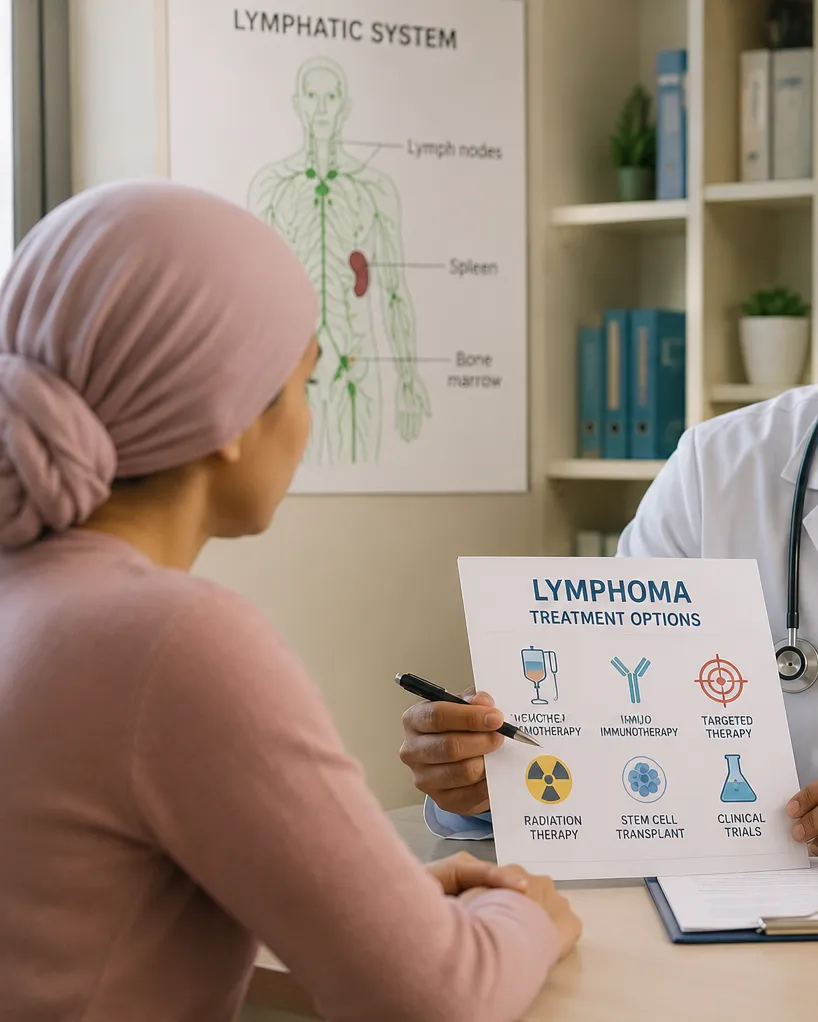
Modern Treatment Options
Treatment depends on the lymphoma subtype, stage, age, and overall health of the patient.
Chemotherapy
Chemotherapy remains one of the most effective treatments for many types of lymphoma. It uses carefully selected medications to destroy cancer cells throughout the body.
Immunotherapy
Some lymphoma patients benefit from immunotherapy, which enhances the immune system's ability to recognize and attack cancer cells.
Targeted Therapy
Targeted drugs focus on specific proteins or genetic changes in lymphoma cells, helping improve treatment precision.
Radiation Therapy
Radiation may be recommended for localized lymphoma or in combination with chemotherapy in certain cases.
Stem Cell Transplant
Patients with recurrent or high-risk lymphoma may be evaluated for stem cell transplantation as part of their long-term treatment strategy.
What to Expect During Treatment
Every patient's treatment journey is different. Regular monitoring helps ensure therapy remains effective while minimizing complications.
Patients may undergo:
- Routine blood tests
- Imaging to assess treatment response
- Medication adjustments if needed
- Nutritional counselling
- Supportive care to manage side effects
Close follow-up allows doctors to identify concerns early and make timely changes to the treatment plan.
Receiving Lymphoma Care in PCMC
Patients from PCMC, Pimpri, Chinchwad, Wakad, Hinjawadi, Nigdi, Ravet, Punawale, and Pimple Saudagar can access advanced oncology services without travelling long distances.
Choosing treatment closer to home offers practical advantages, including:
- Convenient follow-up appointments
- Better family involvement during treatment
- Reduced travel-related fatigue
- Faster access to medical care if complications arise
- Improved continuity throughout the treatment journey
These benefits become particularly important during chemotherapy or other long-term therapies.
Frequently Asked Questions
Is lymphoma always curable?
Many types of lymphoma are highly treatable, especially when diagnosed early. Treatment success depends on the subtype, stage, and how well the cancer responds to therapy.
Does every lymphoma patient need chemotherapy?
Not always. Some patients may receive immunotherapy, targeted therapy, radiation, or a combination of treatments depending on their diagnosis.
Can lymphoma return after treatment?
Some patients may experience recurrence, which is why regular follow-up appointments and monitoring are important even after successful treatment.
How long does lymphoma treatment usually take?
Treatment duration varies depending on the type of lymphoma and the chosen treatment plan. It may range from a few months to longer-term management in certain cases.
Moving Forward with the Right Care
Lymphoma treatment has advanced significantly with the introduction of targeted therapies, immunotherapy, and personalized treatment protocols. Early diagnosis and accurate classification remain the foundation of effective care.
For individuals seeking lymphoma treatment in PCMC, consulting an experienced oncology specialist can help determine the most suitable treatment approach based on the exact subtype and stage of the disease. Dr. Siddhesh Tryambake develops individualized treatment plans that combine evidence-based therapies with comprehensive patient care, helping patients navigate every stage of their cancer journey with confidence.
Keywords