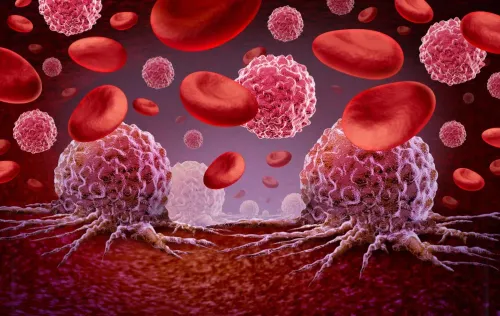

Lymphoma begins in lymphocytes, which are cells of the immune system. It includes Hodgkin lymphoma and a broad group of non-Hodgkin lymphomas. Some types grow slowly, while others progress rapidly and need prompt treatment.
Before starting lymphoma treatment in PCMC, patients should understand the exact subtype, disease extent, treatment goal and tests that will be used to measure response.
Has the Diagnosis Been Confirmed Properly?
An enlarged lymph node can result from infection, inflammation or cancer. A blood test or scan alone usually cannot classify lymphoma accurately.
An excisional or core biopsy often provides tissue for microscopic examination and immunohistochemistry. Fine-needle aspiration may be insufficient for initial classification because the architecture of the lymph node can be important.
Ask for the complete pathology name rather than accepting only “lymphoma” as the diagnosis.
Is Additional Testing Required?
Further tests may include:
- PET-CT or CT imaging
- Blood counts and organ-function tests
- Viral screening
- Bone marrow examination in selected cases
- Molecular or cytogenetic tests
- Heart-function assessment before certain medicines
- Pregnancy testing where relevant
Staging describes where lymphoma is present, but stage does not carry exactly the same meaning as it does in many solid tumours. Even advanced-stage lymphoma may respond well to systemic treatment, depending on the subtype.
Is Immediate Treatment Necessary?
Aggressive lymphomas commonly require treatment without unnecessary delay. Some indolent lymphomas can be observed when they are not causing symptoms or threatening organ function.
Active monitoring is not neglect. It is a planned approach involving clinical reviews, blood tests and imaging when appropriate. Treatment begins when recognised indications appear.
What Treatment Is Being Proposed?
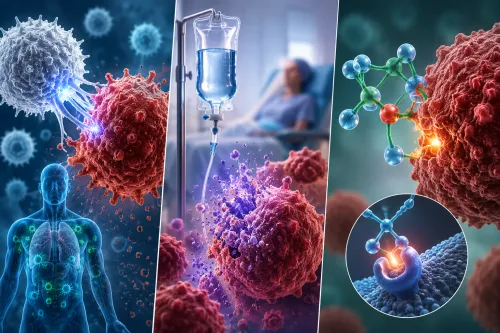
Lymphoma treatment may include chemotherapy, monoclonal antibodies, targeted medicines, immunotherapy, radiation therapy or stem cell transplantation.
Patients should ask why the proposed combination suits their subtype. They should also understand:
- Number and frequency of cycles
- Whether treatment is outpatient or inpatient
- Expected side effects
- Infection precautions
- Fertility implications
- Whether a central venous device is needed
- How response will be measured
When Will Response Be Checked?
Response may be evaluated during treatment and after completion. PET-CT is useful in many FDG-avid lymphomas, but the timing and interpretation must follow the clinical context.
A residual mass does not always contain active lymphoma. Scar tissue can remain after successful treatment, which is why metabolic imaging and specialist interpretation may be important.
Which Symptoms Require Urgent Attention?
Patients should receive explicit instructions for fever, breathing difficulty, uncontrolled vomiting, new confusion, unusual bleeding, severe weakness or rapidly enlarging swelling.
Some lymphomas can cause tumour lysis syndrome when many cancer cells break down quickly after treatment. Patients at risk may require hydration, preventive medicines and close biochemical monitoring.
Dr. Siddhesh Tryambake provides haemato-oncology assessment for patients seeking lymphoma care in PCMC and the wider Pune region. A treatment-ready consultation should result in a clearly documented subtype, appropriate staging, a defined treatment objective and a practical monitoring plan.
The strongest decisions are made when the family understands not only which medicines will be given, but why those medicines fit the particular lymphoma.
Keywords