
A breast cancer diagnosis often brings many questions about treatment, recovery, and finding the right doctor. While medical advancements have expanded treatment options, choosing the right specialist remains one of the most important decisions a patient can make. The expertise of an oncologist influences not only the treatment plan but also the overall experience throughout the cancer journey.
If you are looking for a breast cancer specialist in Pune, understanding what to consider before selecting an oncologist can help you make a well-informed decision.
Why Choosing the Right Specialist Matters
Breast cancer is not a single disease. Different patients may have different tumour types, stages, hormone receptor status, and genetic characteristics. Because of this, treatment plans vary from person to person.
A qualified oncology specialist considers:
- The stage of cancer
- Tumour biology
- Hormone receptor status
- HER2 status
- Genetic risk factors
- Overall health and existing medical conditions
These factors help determine the most effective treatment strategy.
1. The Specialist Should Focus on Personalized Treatment
Every patient deserves an individualized treatment plan rather than a standard protocol.
A personalized approach may include:
- Surgery
- Chemotherapy
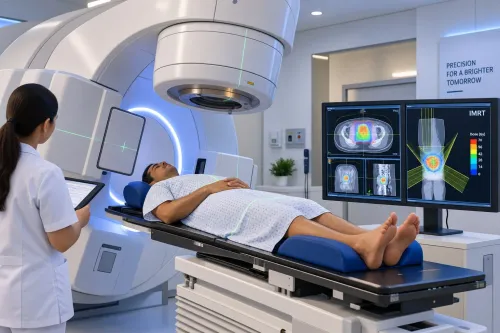
- Radiation therapy
- Hormone therapy
- Targeted therapy
- Immunotherapy for eligible patients
The combination depends entirely on the patient's diagnosis and treatment goals.
2. Experience with Different Stages of Breast Cancer
An experienced oncologist manages patients across various stages of breast cancer, from early diagnosis to advanced disease.
This includes:
- Early-stage breast cancer
- Locally advanced breast cancer
- Recurrent breast cancer
- Metastatic breast cancer
Experience across different clinical situations enables better treatment planning and long-term care.
3. Access to Modern Diagnostic Techniques
Effective treatment begins with an accurate diagnosis.
Your specialist should carefully review:
- Mammography
- Breast ultrasound
- MRI, when indicated
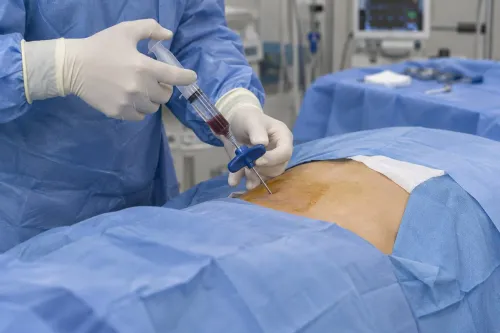
- Biopsy reports
- Histopathology
- Hormone receptor testing
- HER2 testing
- Genetic investigations, if required
These reports provide valuable information for selecting the most appropriate treatment.
4. A Multidisciplinary Treatment Approach
Breast cancer treatment often requires collaboration between several healthcare professionals.
The oncology team may include:
- Surgical oncologists
- Medical oncologists
- Radiation oncologists
- Radiologists
- Pathologists
- Oncology nurses
- Nutritionists
- Physiotherapists
Working together ensures patients receive comprehensive care throughout diagnosis, treatment, and recovery.
5. Clear Communication Builds Confidence
Cancer treatment can feel overwhelming, especially during the first few consultations.
A good oncologist should explain:
- Your diagnosis in understandable language
- Available treatment options
- Expected outcomes
- Possible side effects
- Treatment timelines
- Follow-up schedules
Patients who understand their treatment plan are often more confident in making healthcare decisions.
6. Ongoing Monitoring Is Essential
Breast cancer treatment does not end after surgery or chemotherapy.
Regular follow-up appointments help monitor:
- Recovery after treatment
- Possible recurrence
- Long-term side effects
- Overall health and wellbeing
Consistent monitoring allows doctors to address concerns early and maintain continuity of care.
7. Convenience Matters During Treatment
Patients undergoing chemotherapy, immunotherapy, or regular follow-up visits often require multiple hospital appointments.
For residents of Pune, PCMC, Wakad, Hinjawadi, Pimpri, Chinchwad, Nigdi, Ravet, Punawale, and Pimple Saudagar, receiving treatment closer to home offers practical advantages:
- Less travel-related fatigue
- Easier scheduling of appointments
- Better family support
- Faster access if urgent medical attention is needed
- Improved treatment continuity
These practical considerations become increasingly important during long-term cancer care.
8. Choose a Specialist Who Encourages Questions
Patients should never hesitate to ask about their treatment.
Useful questions include:
- What stage is my cancer?
- What treatment do you recommend and why?
- Will I require chemotherapy or targeted therapy?
- How long will treatment last?
- What side effects should I expect?
- How will my progress be monitored?
Open discussions help patients actively participate in their care.
A Patient-Centred Approach to Breast Cancer Care
Successful breast cancer treatment depends on more than medical expertise alone. It also involves careful planning, compassionate communication, and continuous support throughout the treatment journey.
Dr. Siddhesh Tryambake develops evidence-based treatment plans that are tailored to each patient's diagnosis, stage of disease, and individual health needs. By combining modern oncology practices with personalized care, patients receive treatment that is designed to achieve the best possible clinical outcomes.
Making an Informed Decision
Finding the right oncology specialist is an important step after a breast cancer diagnosis. Patients should look beyond qualifications alone and consider experience, communication, multidisciplinary care, and access to modern treatment options.
For anyone searching for a breast cancer specialist in Pune, choosing an oncologist who offers personalized treatment planning and comprehensive cancer care can provide confidence throughout every stage of diagnosis, treatment, and long-term follow-up.
Keywords