Fluid around the lung can make ordinary activities, sleep and breathing difficult, especially when it returns after drainage. By the end, you will know how doctors confirm malignant pleural effusion, when pleurodesis is suitable, how it compares with an indwelling pleural catheter, and what to check before choosing care in Pune.
Key takeaways
- Pleurodesis works best when the lung re-expands after fluid drainage.
- Ask whether trapped lung, infection or poor fitness makes pleurodesis unsuitable.
- Compare pleurodesis with repeated drainage and an indwelling pleural catheter.
- Confirm imaging, fluid testing, drainage planning and follow-up before treatment.
What cancer-related pleural effusion does to breathing
A malignant pleural effusion is fluid between the lung and chest wall caused by cancer. Cancer cells may spread into this space, or a tumour may block normal fluid drainage without touching the pleura. As fluid accumulates, it compresses the lung and can cause breathlessness, chest pressure, cough, reduced exercise tolerance and difficulty lying flat.
Symptoms and likely next step
| Finding | What it means | Usual approach |
|---|---|---|
| Large volume, few symptoms | The lung still functions adequately | Observation or cancer treatment may be safer than immediate drainage |
| Breathlessness or chest pressure | Fluid is restricting lung expansion | Imaging followed by drainage to relieve symptoms |
| Recurrent symptomatic fluid | Fluid returns after removal | Consider pleurodesis if the lung expands fully |
| Infected fluid | Infection, not routine malignant effusion | Antibiotics, infection control and drainage |
A chest X-ray, pleural ultrasound or CT scan shows the fluid and guides assessment. When symptoms warrant drainage, doctors send the fluid for cytology, which searches for cancer cells, plus other tests selected by the treating team. A negative cytology result does not rule out cancer; image-guided pleural biopsy or thoracoscopy may be needed.
Pleurodesis is appropriate only after doctors establish the cause, confirm useful lung expansion and weigh your breathing, cancer treatment plan and goals. For pleural effusion cancer treatment in PCMC, ask which tests and drainage options are available.
How pleurodesis closes the space where fluid returns
Pleurodesis closes the space between the lung and chest wall after doctors drain the pleural fluid and confirm that the lung expands enough to contact the chest wall. If the lung remains trapped, the pleural surfaces cannot meet, so pleurodesis is unlikely to control returning fluid.
| Method | What happens | Typical route |
|---|---|---|
| Chemical | A sterile irritant, most commonly medical talc, triggers controlled inflammation. The visceral pleura on the lung adheres to the parietal pleura lining the chest wall. | Talc slurry through a chest tube, or talc poudrage during thoracoscopy |
| Mechanical | Physical abrasion or manipulation roughens the pleural surfaces, creating adhesion without placing a chemical irritant. | Thoracoscopy or surgery |
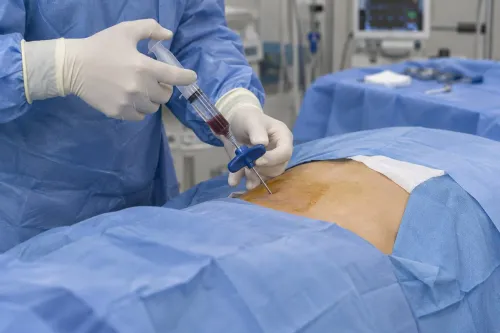
The phrase pleurodesis surgery in Pune can describe bedside chest-tube drainage with talc slurry, medical thoracoscopy, or video-assisted thoracoscopic surgery with talc poudrage. It does not necessarily mean an open operation; thoracoscopic treatment requires anaesthesia support, suitable equipment and chest-drain monitoring.
The choice depends on lung expansion, anaesthetic fitness, local expertise and whether thoracoscopy is needed for diagnosis or another treatment. Pain and fever are common after talc pleurodesis, so ask how analgesia, observation and drain removal will be managed.
When pleurodesis is a good fit—and when it is not
Pleurodesis is worthwhile when fluid repeatedly causes breathlessness, chest pressure or reduced activity, drainage lets the lung expand fully, and you want longer-term control instead of repeated thoracentesis. The main pleurodesis benefits for cancer patients are fewer drainages, less fluid-related breathlessness and fewer hospital procedures. It does not treat the underlying cancer.
| Situation | Pleurodesis decision | Reason |
|---|---|---|
| Recurrent symptomatic effusion with an expandable lung | Good fit | The pleural surfaces can meet and adhere after drainage |
| Trapped or non-expandable lung | Usually unsuitable | The surfaces cannot touch; an indwelling pleural catheter often works better |
| Uncorrected pleural infection | Postpone or reject | Infection control and drainage take priority |
| No confirmed cancer-related cause | Establish the diagnosis first | Treatment depends on whether cancer caused the fluid |
| Unable to tolerate anaesthesia or chest-tube treatment | Often unsuitable | The procedure may cause more harm than benefit |
| Very limited expected benefit | Individual decision | The recovery burden may outweigh symptom relief |
Your overall condition, expected survival, cancer type, oxygen needs, hospital access and treatment goals matter. Chemotherapy, targeted therapy or immunotherapy can reduce an effusion when the cancer responds, but these treatments do not provide immediate, predictable relief from severe breathlessness. Doctors often plan anticancer treatment alongside pleural symptom control.
Discuss whether an indwelling catheter or pleurodesis better matches your ability to manage care at home and your preference.
Pleurodesis, repeated drainage or an indwelling catheter?
People searching for pleurodesis for cancer fluid buildup in Pune are usually choosing between convenience now and control later. Repeated thoracentesis may suit infrequent recurrence, limited tolerance for procedures or a short expected benefit, but fluid and breathlessness can return between hospital visits.
| Option | What it involves | When it may fit |
|---|---|---|
| Repeated thoracentesis | A needle or small catheter removes fluid during each visit | Recurrence is infrequent, procedure tolerance is limited, or expected benefit is short |
| Pleurodesis | A chest drain delivers an irritant, usually sterile talc, so the pleural surfaces adhere | The lung expands after drainage and you want fewer future drainages |
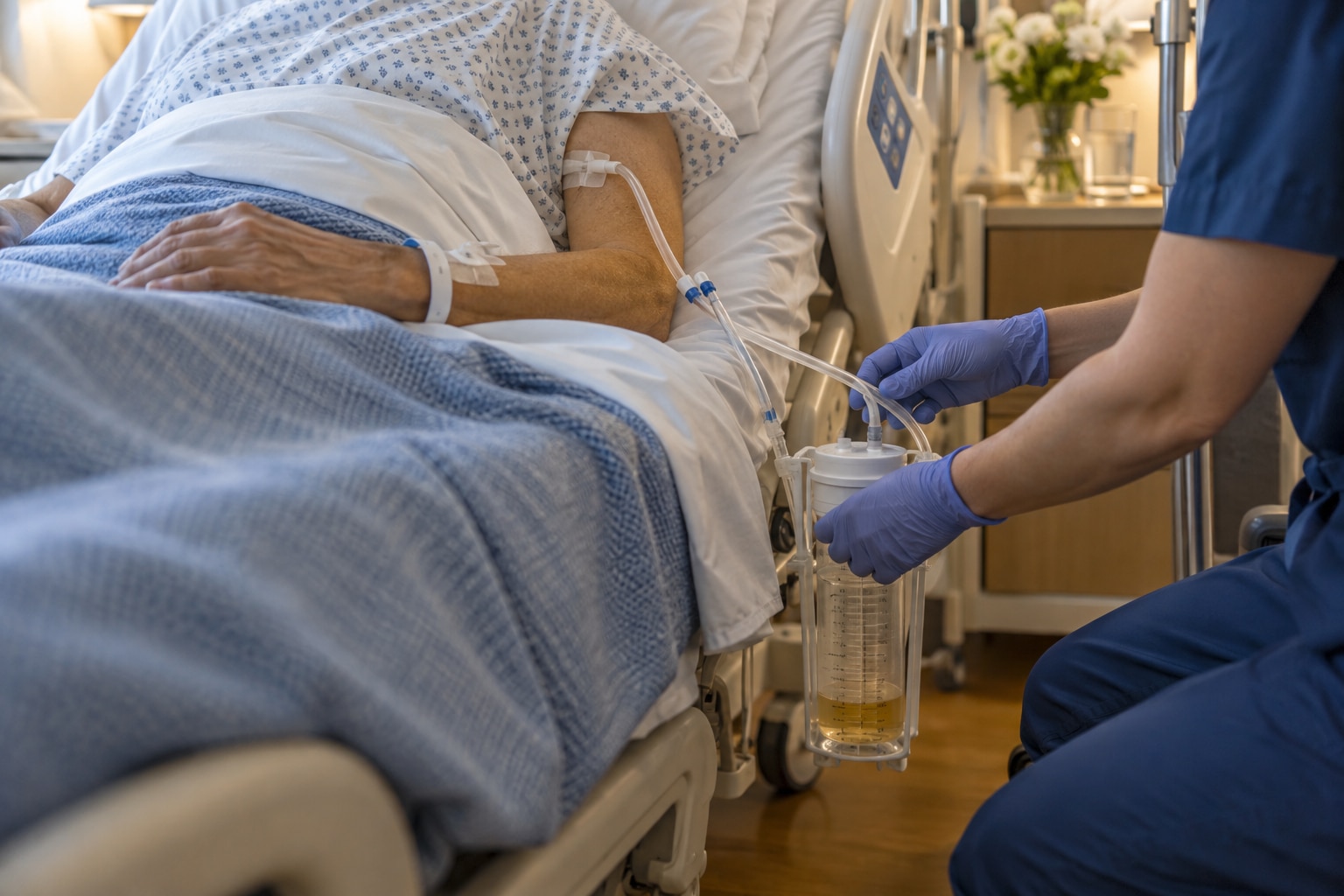
| Indwelling pleural catheter (IPC) | A tunnelled catheter stays under the skin; an external valve allows drainage at home or by a nurse | The lung is trapped, hospital access is difficult, or home drainage is acceptable |
The main pleurodesis benefits for cancer patients are fewer recurrent drainages and less breathlessness from fluid returning. The treatment usually requires a chest drain, monitoring and pain control, and it can fail when the lung does not expand fully.
An IPC may shorten the initial hospital stay, but dressing changes, drainage supplies, blockage, infection and other catheter complications become part of ongoing care. Pleurodesis can also fail or fluid can return, leading to a later IPC or another procedure.
Discuss hospital access, home support, infection concerns, likely recurrence and your preference—not just the procedure name—before deciding.
What to check before arranging pleural care in Pune
Before choosing pleural effusion cancer treatment pcмc or Pune, verify what the centre can do on site and who manages complications. Ask these questions before booking:
- Can you perform pleural ultrasound, send drained fluid for diagnostic cytology, and arrange an image-guided pleural biopsy or thoracoscopy if cytology is negative?
- Who places and monitors the chest drain? Which medical talc preparation is used, and how are post-procedure pain and fever treated?
- How will you check lung expansion after drainage, and what is the plan if the lung remains trapped?
- If an IPC is more suitable, do you place it, teach home drainage, and treat blockage or infection?
- Do respiratory physicians, interventional pulmonologists, thoracic surgeons and oncologists coordinate if breathing worsens?
| Option | What to confirm | Why it matters |
|---|---|---|
| Pleurodesis | Expandable lung, chest-drain monitoring and talc protocol | The pleural surfaces must meet for the procedure to work |
| IPC | Placement, home-drainage teaching and follow-up | It can help when the lung remains trapped |
| Diagnostic pathway | Cytology, biopsy and thoracoscopy access | Negative cytology does not exclude cancer |
For pleurodesis for cancer fluid buildup in Pune, a consultation with Dr Siddhesh Tryambake can connect the pleural decision with your wider cancer plan in Pimpri Colony, Morewadi. Bring scans, reports, medication details and previous drainage records. Seek urgent help for severe breathlessness, blue lips, confusion, chest pain, high fever or rapidly worsening symptoms.
Related service
Procedure Guidance Pleurodesis Surgery for Recurrent Pleural Effusion and Pneumothorax Advanced Pleurodesis Treatment at Phoenix Cancer Care Clinic, PCMC Phoenix Cancer... View service → |
Frequently asked questions
How does cancer-related pleural effusion affect breathing?
Fluid between the lung and chest wall compresses the lung, causing breathlessness, chest pressure, cough, reduced exercise tolerance and difficulty lying flat.
How does pleurodesis stop cancer-related fluid from returning?
After draining the fluid, a pleurodesis agent creates inflammation between the pleural layers so they adhere and eliminate the space where fluid collects.
When is pleurodesis a good fit for malignant pleural effusion?
It is usually considered for recurrent, symptomatic effusion when the lung can re-expand after drainage and the patient can tolerate the procedure.
When is pleurodesis not suitable?
Pleurodesis is a poor fit when the lung remains trapped, the pleural space is infected, fluid cannot be adequately drained or the patient is too unwell for the procedure.
How does pleurodesis compare with repeated drainage or an indwelling catheter?
Pleurodesis aims for longer-term control without a permanent catheter, while repeated drainage or an indwelling catheter can suit trapped lung, limited fitness or outpatient symptom management.
Keywords