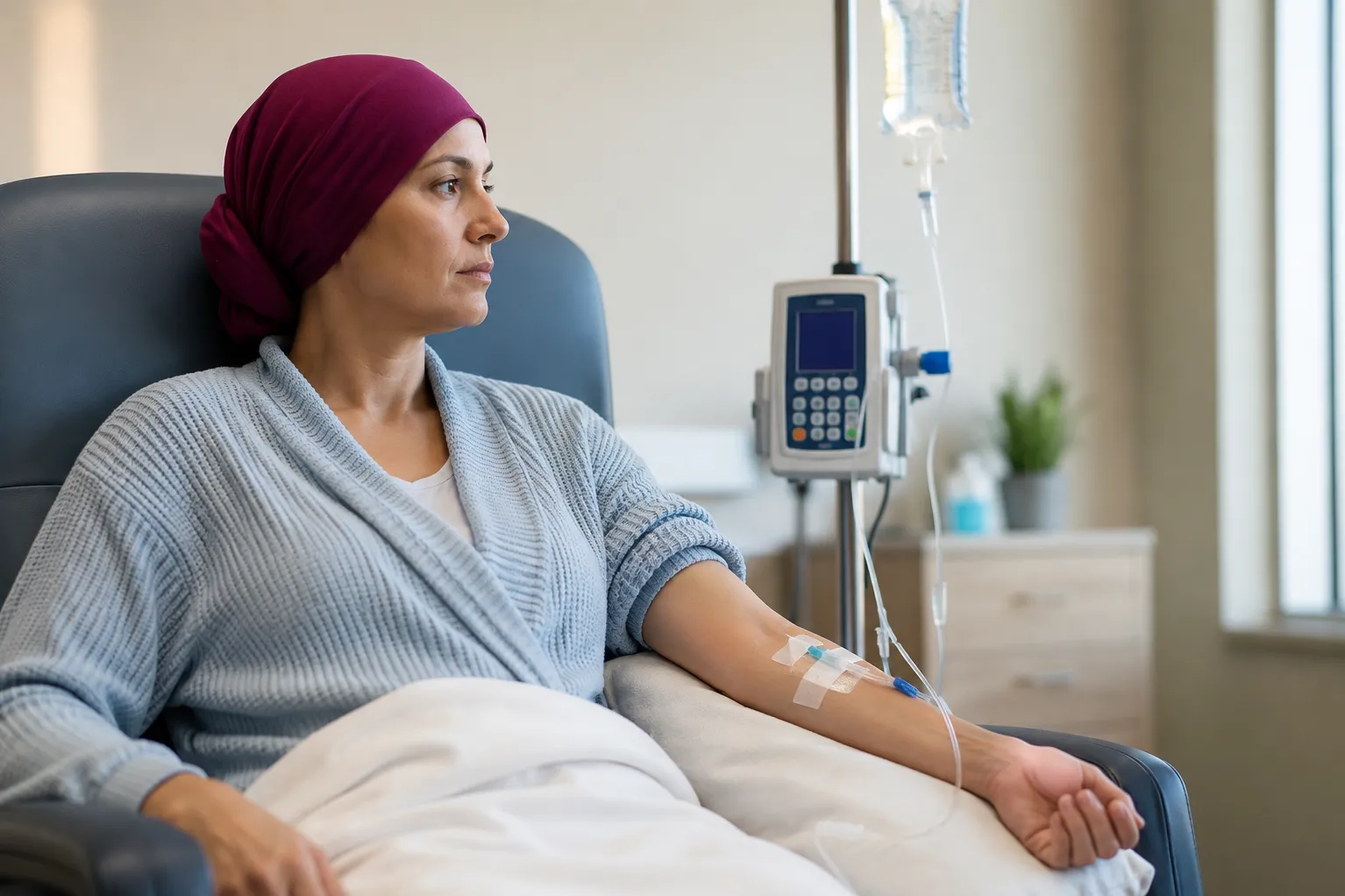
A cancer diagnosis often brings uncertainty, and one of the first treatments many patients hear about is chemotherapy. While it has been used successfully for decades to treat different types of cancer, modern chemotherapy is more targeted, carefully planned, and supported by advanced medications that help reduce side effects. Understanding how the treatment works can help patients and their families feel more prepared for the journey ahead.
For people looking for chemotherapy treatment in PCMC, knowing what to expect before, during, and after treatment can make a significant difference in both confidence and recovery.
What Is Chemotherapy?
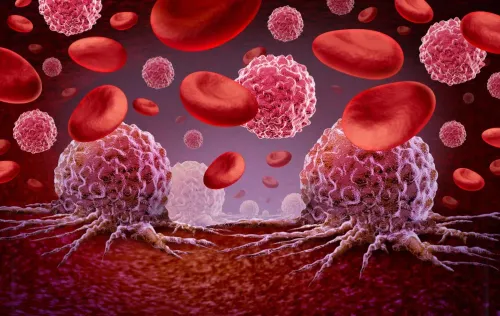
Chemotherapy is a medical treatment that uses anti-cancer drugs to destroy cancer cells or stop them from growing and spreading. Depending on the type and stage of cancer, chemotherapy may be recommended on its own or alongside surgery, radiation therapy, immunotherapy, or targeted therapy.
It is commonly used for cancers such as:
- Breast cancer
- Lung cancer
- Blood cancers such as leukemia and lymphoma
- Colorectal cancer
- Ovarian cancer
- Stomach cancer
- Head and neck cancers
The treatment plan is personalized based on the patient's overall health, medical history, and the characteristics of the cancer.
Why Is Chemotherapy Recommended?
Oncologists recommend chemotherapy for different reasons depending on the patient's condition. It may be used to:
- Eliminate cancer cells completely
- Shrink a tumour before surgery
- Destroy remaining cancer cells after surgery
- Reduce the risk of cancer recurrence
- Slow the progression of advanced cancer
- Relieve symptoms and improve quality of life
No two chemotherapy plans are identical. Every patient's treatment is carefully tailored to achieve the best possible outcome.
How Is Chemotherapy Given?
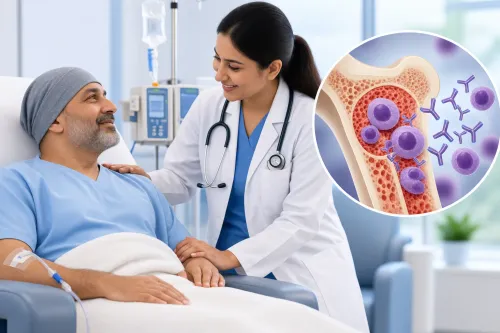
Many people assume chemotherapy always involves lengthy hospital stays, but that is not always the case. Most patients receive treatment in an outpatient setting and return home the same day.
Chemotherapy may be administered through:
- Intravenous (IV) infusion
- Oral tablets or capsules
- Injections
- Specialised delivery methods for certain cancers
Treatment is usually given in cycles. A cycle includes the treatment days followed by a recovery period that allows healthy cells to heal before the next session.
What Happens Before Treatment Begins?
Before starting chemotherapy, several assessments help doctors design a safe and effective treatment plan.
These may include:
- Detailed physical examination
- Blood investigations
- Imaging scans such as CT, MRI, or PET scans
- Biopsy review
- Heart, liver, or kidney function tests when required
Patients also receive counselling about the treatment schedule, expected side effects, dietary recommendations, and lifestyle adjustments.
Specialists such as Dr. Siddhesh Tryambake focus on creating personalised treatment plans that match each patient's diagnosis and overall health rather than following a one-size-fits-all approach.
Common Side Effects and Their Management
One of the biggest concerns surrounding chemotherapy is its side effects. While some patients experience mild symptoms, others may require additional supportive care.
Possible side effects include:
- Fatigue
- Nausea and vomiting
- Hair loss
- Mouth ulcers
- Reduced immunity
- Appetite changes
- Temporary changes in taste
- Low blood counts
Fortunately, supportive cancer care has improved considerably. Modern anti-nausea medications, nutritional guidance, infection prevention measures, and regular monitoring help many patients continue their daily routines with fewer interruptions than in the past.
Patients should always report new symptoms promptly, as early intervention often prevents complications.
Nutrition During Chemotherapy
Good nutrition supports the body's ability to recover during treatment.
Helpful dietary habits include:
- Eating small, balanced meals throughout the day
- Including adequate protein from pulses, eggs, dairy, or lean meats
- Staying well hydrated
- Washing fruits and vegetables thoroughly
- Avoiding raw or undercooked foods if immunity is low
- Limiting processed and excessively sugary foods
Dietary recommendations may vary depending on the patient's blood counts and treatment plan.
Chemotherapy Care for Patients in PCMC
Residents of PCMC, including Pimpri, Chinchwad, Nigdi, Ravet, Punawale, Wakad, Hinjawadi, and Pimple Saudagar, increasingly have access to advanced oncology care closer to home. This reduces the need for frequent long-distance travel during treatment, which can be physically demanding.
Receiving treatment locally also makes it easier for family members to accompany patients, attend follow-up appointments, and respond quickly if medical support is needed between treatment cycles.
Questions Patients Should Ask Before Starting Chemotherapy
Being informed helps patients participate actively in their care. Consider discussing the following with your oncologist:
- What is the goal of my chemotherapy?
- How many treatment cycles will I need?
- What side effects are most likely in my case?
- Can I continue working during treatment?
- Are there foods or medicines I should avoid?
- When should I contact the hospital between sessions?
- What follow-up tests will monitor my progress?
Clear communication with the oncology team helps patients understand every stage of treatment and make informed decisions.
Looking Ahead
Chemotherapy remains one of the most effective cancer treatments available and continues to evolve with safer medications and better supportive care. While every patient's journey is unique, early diagnosis, personalised treatment planning, and regular follow-up can contribute to better outcomes.
For individuals exploring chemotherapy treatment in PCMC, consulting an experienced medical oncologist can provide clarity about the most appropriate treatment options based on the type and stage of cancer. Through evidence-based care and patient-centred treatment planning, the provider helps patients and their families navigate cancer treatment with confidence and informed decision-making.
Keywords