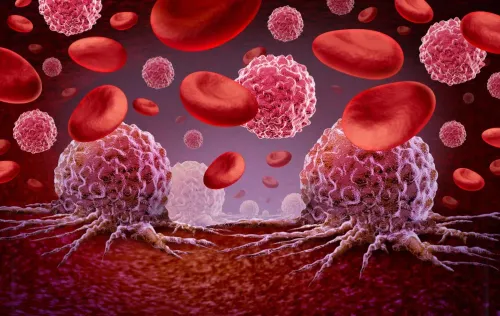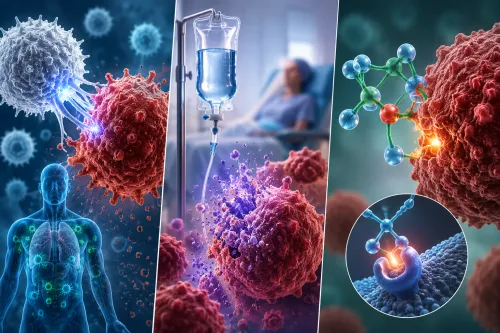
Chemotherapy uses medicines to destroy cancer cells or slow their growth. It may be prescribed as the main treatment or combined with surgery, radiation therapy, immunotherapy or targeted therapy. The exact plan depends on the cancer type, stage, test results and the patient’s overall health.
For people beginning chemotherapy treatment in PCMC, understanding the process can reduce uncertainty and make each hospital visit easier to manage.
Why Chemotherapy Is Recommended
Chemotherapy medicines travel through the bloodstream, allowing them to reach cancer cells in different parts of the body. An oncologist may recommend chemotherapy to:
- Eliminate cancer cells where medically possible
- Reduce the size of a tumour before surgery
- Destroy remaining cancer cells after surgery
- Control cancer that has spread
- Relieve symptoms caused by an advanced tumour
- Prepare a patient for certain stem cell transplant procedures
Chemotherapy does not follow one standard formula. Two patients with the same broad cancer diagnosis may receive different medicines because tumour biology, organ function, age and previous treatments affect treatment planning.
What Happens Before the First Cycle
Before treatment begins, the oncology team reviews the biopsy report, imaging findings, disease stage and relevant molecular or genetic tests. Blood tests are performed to check haemoglobin, white blood cells, platelets, kidney function and liver function.
The doctor may also review:
- Current medicines and supplements
- Existing conditions such as diabetes or heart disease
- Allergies and previous drug reactions
- Nutritional status
- Fertility considerations
- Venous access requirements
- Possible interactions with other treatments
Patients should disclose every prescription medicine, over-the-counter product and herbal supplement they use. Some products can interfere with cancer medicines or increase the risk of bleeding.
Understanding a Chemotherapy Cycle
Chemotherapy is usually administered in cycles. A cycle includes a treatment period followed by a rest period that allows healthy cells to recover.
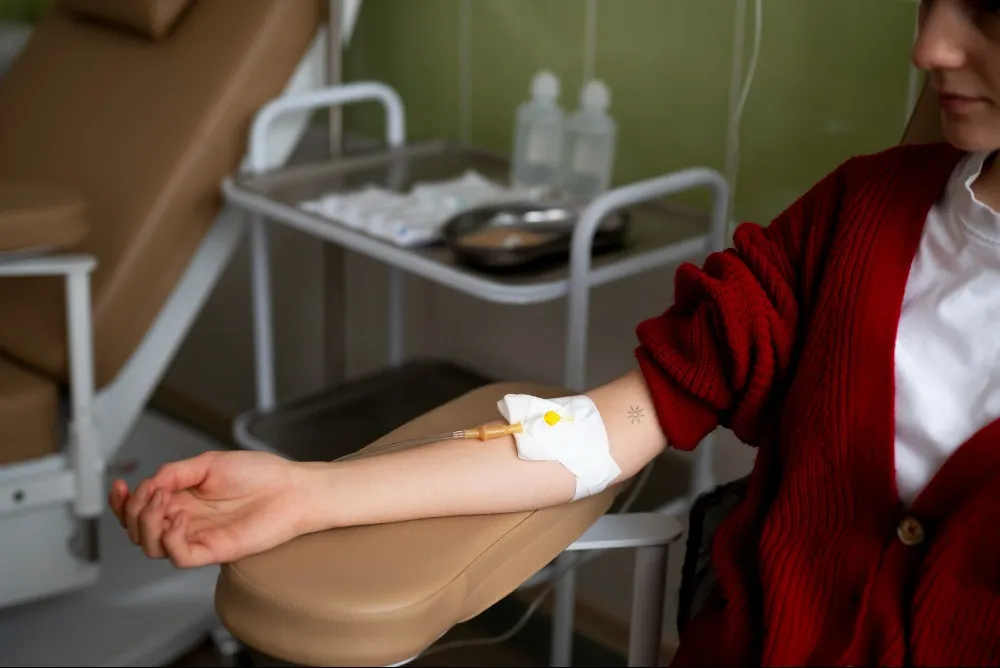
Depending on the prescribed regimen, treatment may be given daily, weekly or every few weeks. Some medicines are administered intravenously in a day-care unit, while others are taken orally at home. Treatment duration can range from several weeks to several months.
Before each cycle, the team may repeat blood tests and assess symptoms. If blood counts are too low or another significant problem is present, treatment may be delayed or the dose modified. Such changes are safety decisions and do not automatically mean that the treatment has failed.
Possible Side Effects
Side effects depend on the medicines used and vary considerably between patients. Common concerns include fatigue, nausea, mouth soreness, appetite changes, temporary hair loss, bowel changes and reduced blood counts.
Lower white blood cell levels can increase infection risk. Patients should seek prompt medical advice for fever, breathing difficulty, uncontrolled vomiting, unusual bleeding, severe diarrhoea, confusion or rapidly worsening weakness. Cancer-treatment side effects can include infection, neutropenia, fatigue, nausea and mouth problems, but many can be managed with timely supportive care. National Cancer Institute
Preparing for Treatment Days
Patients travelling from Pimpri, Chinchwad and surrounding PCMC areas can prepare by carrying their reports, medicine list, water bottle and any permitted light food. Comfortable clothing with easy access to the arm can make intravenous treatment more convenient.
It is also useful to arrange transport after the first session until the individual response to treatment is known. Patients should follow their oncology team’s instructions about eating, hydration and pre-treatment medicines.
Chemotherapy experiences are highly individual. Clear instructions, regular monitoring and early reporting of symptoms help the oncology team make treatment safer and more manageable throughout the planned course.
Keywords