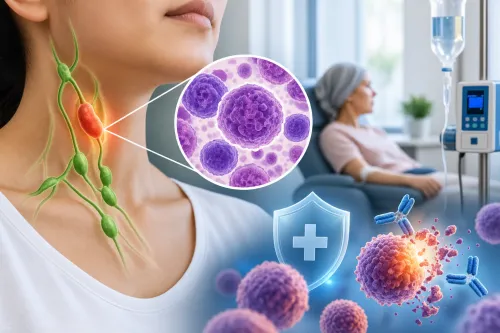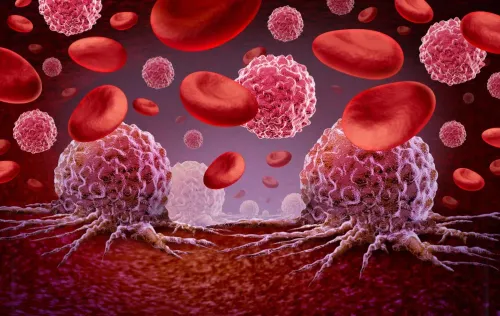
Chemotherapy for Lung Cancer remains an important part of treatment for many patients diagnosed with different stages of lung cancer. While advancements in targeted therapy and immunotherapy have expanded treatment options, chemotherapy continues to play a vital role in controlling cancer growth, reducing symptoms, and improving outcomes in carefully selected patients.
A lung cancer diagnosis often arrives unexpectedly. Some patients seek medical attention because of a persistent cough, breathlessness, chest discomfort, or unexplained weight loss. Others may discover the condition during routine scans performed for unrelated reasons. Regardless of how the diagnosis occurs, understanding available treatment options becomes one of the first priorities for patients and their families.
Lung cancer treatment is rarely based on a single factor. Doctors evaluate the type of lung cancer, stage of disease, molecular characteristics, overall health, and patient preferences before recommending therapy. Chemotherapy may be advised before surgery, after surgery, alongside radiation therapy, or as a primary treatment depending on the clinical situation.
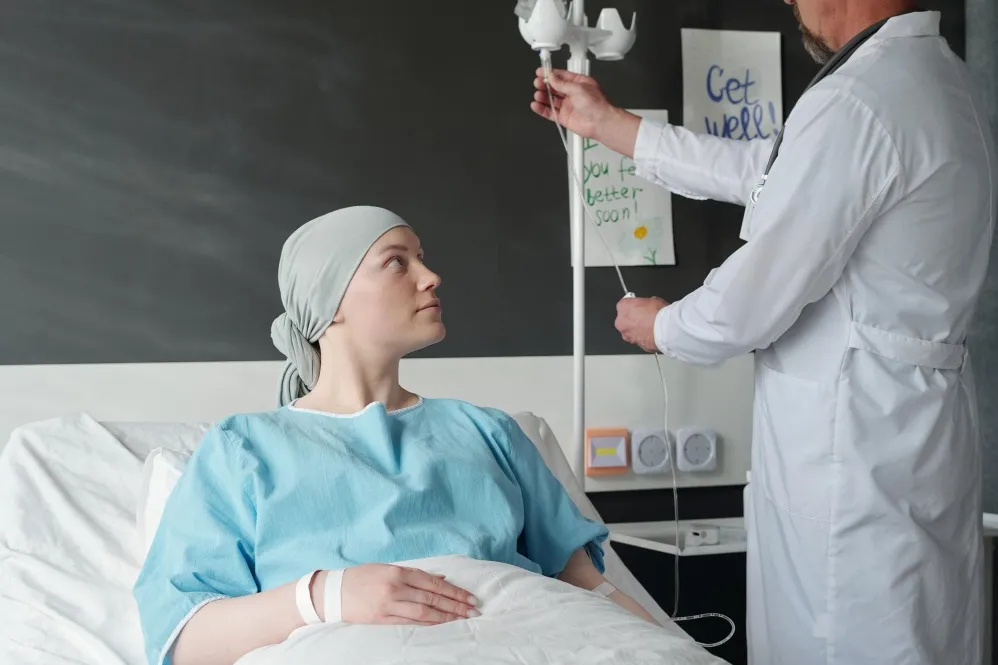
Many people still associate chemotherapy with experiences shared years ago by friends or relatives. However, cancer care has changed significantly. New supportive medications help manage side effects more effectively, allowing many patients to tolerate treatment better than they might expect.
Dr Siddhesh Tryambake focuses on individualized cancer treatment planning, ensuring that each patient receives recommendations aligned with current oncology standards and their unique medical condition. Treatment discussions often include expected benefits, possible side effects, monitoring schedules, and long-term care considerations.
Families frequently ask whether chemotherapy can improve quality of life in addition to treating cancer. In many cases, reducing tumor burden may help relieve symptoms such as breathlessness, pain, or persistent coughing. The goal is not only to treat the disease but also to support overall well-being during treatment.
Pune and PCMC continue to see increasing awareness regarding early cancer detection. Timely diagnosis often creates more treatment opportunities and may positively influence outcomes. Screening, prompt evaluation of symptoms, and regular medical follow-up remain important aspects of lung health.
Cancer treatment is a journey that requires medical expertise, emotional support, and informed decision-making. Understanding available therapies can help patients move forward with greater confidence and clarity.
If you are looking for guidance regarding chemotherapy for lung cancer in Pune or PCMC, consult Dr Siddhesh Tryambake to discuss personalized treatment options and comprehensive cancer care.
Keywords