Cancer treatment has evolved significantly over the last decade, offering patients more options than traditional chemotherapy and radiation alone. One of the most promising advances is immunotherapy a treatment that helps the body's own immune system recognize and fight cancer cells more effectively.
For patients exploring cancer immunotherapy in PCMC, understanding how this treatment works, who it is suitable for, and what to expect can make it easier to discuss options with an oncologist.
What Is Cancer Immunotherapy?
The immune system naturally protects the body against infections and abnormal cells. However, cancer cells can develop ways to hide from the immune system, allowing them to grow unchecked.
Immunotherapy is designed to overcome this challenge by strengthening or modifying the immune response so it can identify and destroy cancer cells more efficiently.
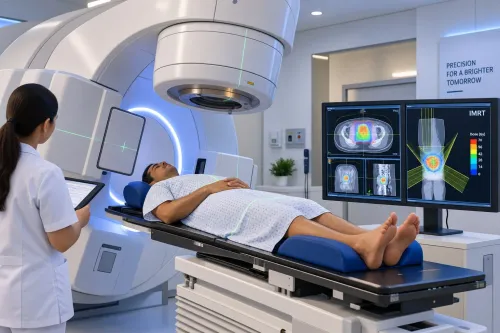
Unlike chemotherapy, which directly attacks rapidly dividing cells, immunotherapy focuses on enhancing the body's natural defence mechanisms.
Which Cancers Can Be Treated with Immunotherapy?
Immunotherapy is not suitable for every type of cancer, but it has become an important treatment option for several cancers, including:
- Lung cancer
- Melanoma
- Kidney cancer
- Bladder cancer
- Head and neck cancers
- Hodgkin lymphoma
- Certain breast cancers
- Some gastrointestinal cancers
Eligibility depends on the cancer type, stage, molecular markers, and the patient's overall health.
How Does Immunotherapy Work?
There are different forms of immunotherapy, each working in a unique way.
Immune Checkpoint Inhibitors
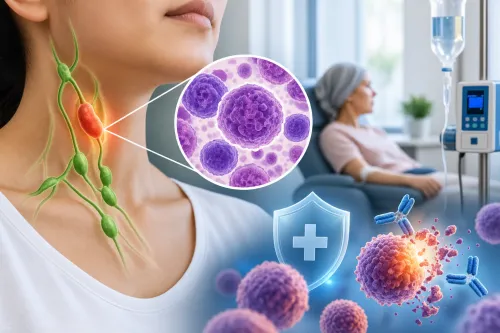
Cancer cells often use 'checkpoints' to prevent the immune system from attacking them. Checkpoint inhibitors block these signals, allowing immune cells to recognize and destroy cancer cells.
Monoclonal Antibodies
These laboratory-developed antibodies attach to specific proteins found on cancer cells, making them easier for the immune system to target.
CAR T-Cell Therapy
In selected blood cancers, a patient's T-cells are modified in a laboratory and then returned to the body to attack cancer cells more effectively.
Cancer Vaccines
Some vaccines are used to stimulate an immune response against certain cancers or reduce the risk of recurrence in specific situations.
The choice of therapy depends on detailed diagnostic testing and internationally accepted treatment guidelines.
Who May Benefit from Advanced Cancer Immunotherapy?
Patients are evaluated individually before immunotherapy is recommended.
It may be considered for people who:
- Have advanced or metastatic cancers
- Are diagnosed with cancers known to respond well to immunotherapy
- Have specific biomarker or genetic test results
- Have experienced recurrence after earlier treatment
- May benefit from combining immunotherapy with chemotherapy or targeted therapy
Because every cancer behaves differently, treatment decisions are based on scientific evidence rather than a single standard approach.
Benefits of Modern Immunotherapy
While outcomes vary from patient to patient, immunotherapy has changed the outlook for many cancers.
Potential advantages include:
- More targeted treatment
- Long-lasting immune response in some patients
- Improved disease control for selected cancers
- Combination treatment options with chemotherapy or targeted therapy
- Better quality of life for certain patients compared to conventional treatments
It is important to remember that not every patient responds in the same way, making careful assessment essential.
Are There Any Side Effects?
Like all cancer treatments, immunotherapy can cause side effects, although they differ from chemotherapy.
Possible side effects include:
- Fatigue
- Skin rash or itching
- Fever
- Joint pain
- Diarrhoea
- Hormonal changes
- Inflammation affecting organs such as the lungs, liver, or thyroid
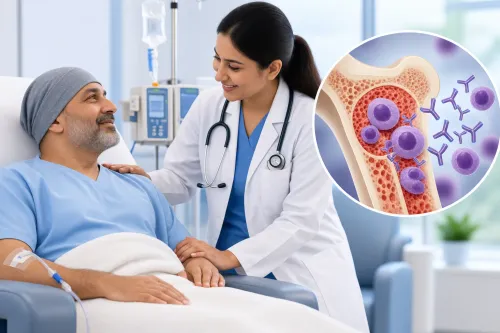
Most side effects can be managed effectively when identified early. Patients are closely monitored throughout treatment, and regular follow-up appointments help detect any complications promptly.
Accessing Immunotherapy in Pune and PCMC
Patients from Pune, PCMC, Pimpri Chinchwad, Wakad, Hinjawadi, Nigdi, Chinchwad, Ravet, Punawale, and Pimple Saudagar can now access advanced oncology services closer to home.
Having local access to specialized cancer care offers several benefits:
- Reduced travel during ongoing treatment
- Easier follow-up consultations
- Better coordination between diagnostic and oncology teams
- Greater support from family members throughout treatment
- Timely management of treatment-related side effects
These factors contribute to a more convenient and patient-focused treatment experience.
Questions to Discuss with Your Oncologist
Before starting immunotherapy, consider asking:
- Is immunotherapy suitable for my type of cancer?
- Will I need additional biomarker testing?
- Can immunotherapy be combined with chemotherapy?
- How often will treatment be given?
- What side effects should I watch for?
- How will my response to treatment be monitored?
Having these discussions helps patients understand both the benefits and limitations of the treatment.
Looking Ahead
Immunotherapy represents one of the most significant advances in modern oncology, offering new possibilities for patients with several types of cancer. Although it is not appropriate for every diagnosis, careful patient selection and personalized treatment planning have made it an important part of comprehensive cancer care.
For individuals seeking cancer immunotherapy in PCMC, consulting an experienced medical oncologist is the best way to determine whether this advanced treatment is appropriate. Dr. Siddhesh Tryambake evaluates each patient's diagnosis, staging, and molecular profile to develop an evidence-based treatment plan that is tailored to their individual needs and long-term care goals.
Keywords