
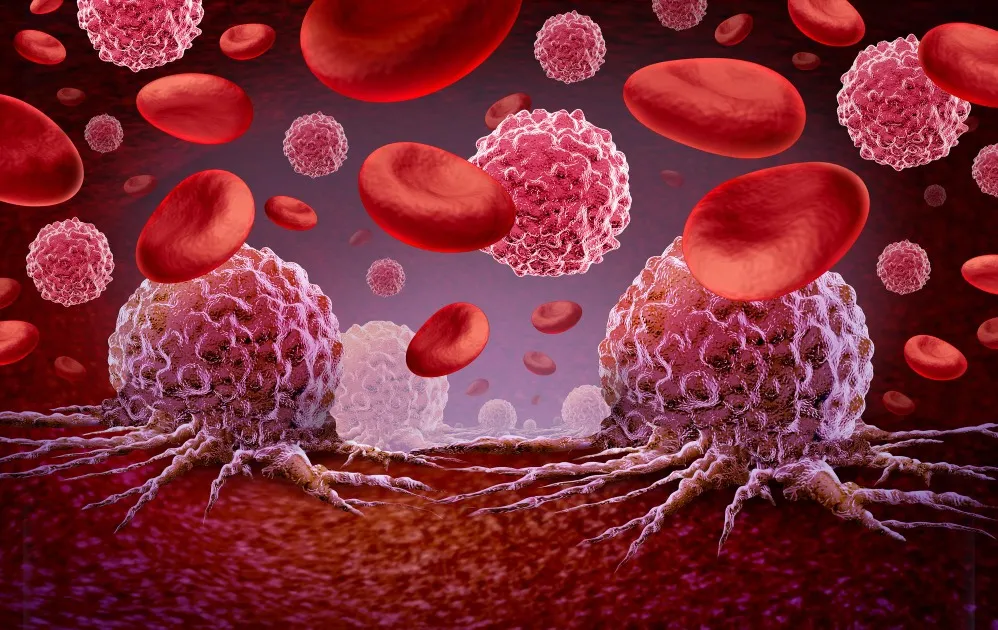
Hearing the words 'blood cancer' can be overwhelming, but advances in medical oncology have significantly improved the diagnosis, treatment, and long-term management of these conditions. Early detection, accurate diagnosis, and a personalized treatment plan play a vital role in achieving better outcomes.
If you are exploring blood cancer treatment in Pune, understanding the different types of blood cancers and the available treatment options can help you make informed decisions for yourself or a loved one.
What Is Blood Cancer?
Blood cancer affects the production and function of blood cells. It usually begins in the bone marrow or the lymphatic system, where blood cells are formed. Unlike many solid tumors, blood cancers often circulate throughout the body, making specialized diagnosis and treatment essential.
The three main types of blood cancer are:
- Leukemia
- Lymphoma
- Multiple Myeloma
Each type develops differently and requires a unique treatment approach based on its stage, subtype, and the patient's overall health.
Common Symptoms That Should Not Be Ignored
Many early symptoms of blood cancer resemble common illnesses, which is why diagnosis may sometimes be delayed.
Some warning signs include:
- Persistent fatigue
- Frequent infections
- Unexplained fever
- Night sweats
- Easy bruising or bleeding
- Swollen lymph nodes
- Bone pain
- Unexplained weight loss
- Shortness of breath
Experiencing one or more of these symptoms does not necessarily mean someone has blood cancer, but persistent symptoms should always be evaluated by a medical professional.
How Blood Cancer Is Diagnosed
Modern oncology relies on several investigations to accurately identify the type and stage of blood cancer.
These may include:
- Complete blood count (CBC)
- Peripheral blood smear
- Bone marrow biopsy
- Flow cytometry
- Cytogenetic and molecular testing
- PET-CT or CT scans
- Lymph node biopsy when required
Accurate diagnosis helps oncologists select treatments that are most effective for the specific cancer subtype.
Treatment Options for Blood Cancer
Today's treatment plans are more personalized than ever before. The choice of therapy depends on several factors, including the patient's age, overall health, cancer subtype, and genetic characteristics.
Common treatment options include:
Chemotherapy
Chemotherapy remains one of the most widely used treatments for leukemia, lymphoma, and multiple myeloma. It helps destroy cancer cells or slow their growth.
Immunotherapy
Certain blood cancers respond well to immunotherapy, which strengthens the body's immune system to identify and attack cancer cells.
Targeted Therapy
Targeted medicines focus on specific genetic or molecular changes within cancer cells while reducing damage to healthy tissues.
Stem Cell Transplant
Some patients may benefit from bone marrow or stem cell transplantation, particularly in cases of recurrent or high-risk blood cancers.
Supportive Care
Blood transfusions, antibiotics, nutritional support, and pain management are often integrated into treatment to improve patient comfort and recovery.
Why Personalized Treatment Matters
No two blood cancer cases are identical. Factors such as genetic mutations, disease progression, previous medical history, and response to therapy influence treatment decisions.
Medical oncologists and haemato-oncologists work together to create individualized treatment plans rather than relying on a standard protocol for every patient.
Dr. Siddhesh Tryambake evaluates each patient carefully before recommending an evidence-based treatment strategy that balances effectiveness with quality of life.
Managing Treatment Side Effects
Modern cancer care focuses not only on treating the disease but also on minimizing treatment-related complications.
Patients may experience:
- Fatigue
- Low blood counts
- Increased infection risk
- Nausea
- Hair loss
- Loss of appetite
- Mouth ulcers
Regular monitoring, preventive medications, nutritional counselling, and timely medical support help many patients continue treatment safely while maintaining their daily routines.
Access to Blood Cancer Care in Pune and PCMC
Patients from Pune, PCMC, Pimpri Chinchwad, Wakad, Hinjawadi, Ravet, Punawale, Nigdi, Chinchwad, and Pimple Saudagar can access advanced oncology services without travelling far from home.
Receiving treatment closer to where you live offers several advantages:
- Easier follow-up appointments
- Better family support during treatment
- Reduced travel-related stress
- Timely access to emergency care if required
- Improved continuity of treatment
These practical benefits can make a meaningful difference during long-term cancer management.
Frequently Asked Questions
Is every blood cancer curable?
Not all blood cancers are curable, but many are highly treatable. Early diagnosis and modern therapies have improved survival rates and quality of life for many patients.
Does chemotherapy always cause severe side effects?
Not necessarily. Many side effects are temporary and can be managed effectively with supportive medications and regular monitoring.
Can younger people develop blood cancer?
Yes. While some blood cancers are more common in older adults, leukemia and lymphoma can occur in children and young adults as well.
How long does treatment last?
Treatment duration varies depending on the type of blood cancer, treatment response, and individual patient needs. Some therapies last a few months, while others may continue for a longer period.
Moving Forward with Confidence
Blood cancer treatment has advanced considerably over the past decade, offering patients more precise therapies and better supportive care than ever before. Early diagnosis, accurate testing, and individualized treatment planning remain the foundation of successful outcomes.
For those seeking blood cancer treatment in Pune, consulting an experienced oncology specialist can help determine the most appropriate treatment pathway. With comprehensive evaluation and patient-focused care, individuals can receive guidance that is tailored to their specific diagnosis and long-term health goals.
Keywords