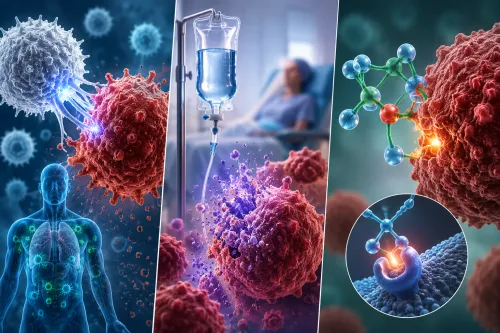
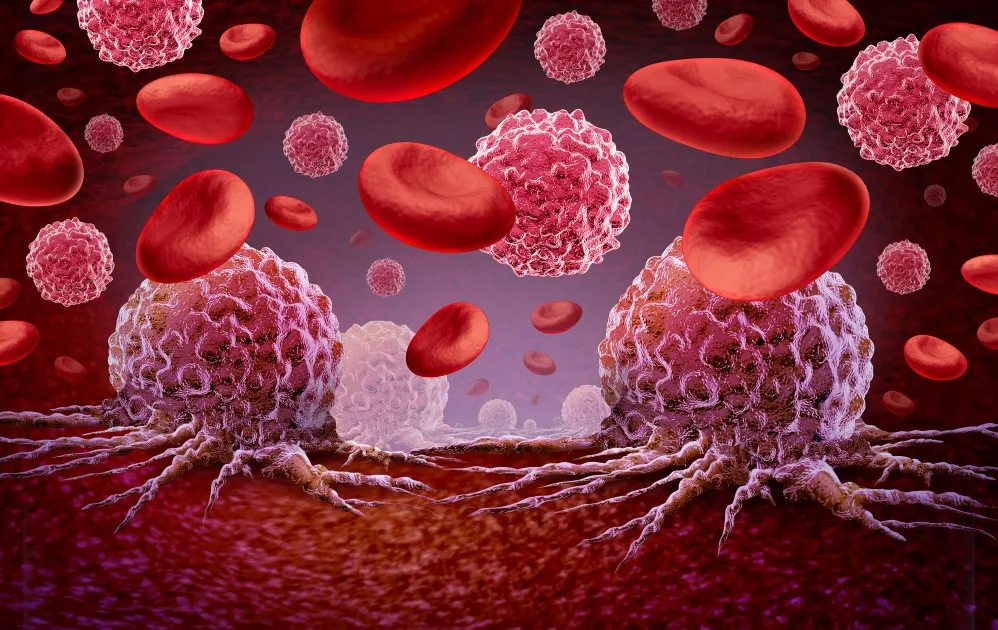
“Blood cancer” is a broad term covering leukaemia, lymphoma, multiple myeloma and several less common disorders. These diseases arise from different cells, behave differently and cannot be treated through one standard protocol.
Before blood cancer treatment in Pune begins, specialists must identify the precise subtype and understand its biological characteristics.
Why the Exact Subtype Matters
Leukaemia begins mainly in blood-forming tissues and can be acute or chronic. Lymphoma develops from lymphocytes and commonly affects lymph nodes or related tissues. Multiple myeloma originates from plasma cells and may affect bones, kidneys, blood counts and immunity.
Even within these groups, numerous subtypes exist. For example, acute myeloid leukaemia and chronic lymphocytic leukaemia differ significantly in progression, testing and treatment.
Essential Diagnostic Tests
A complete blood count can reveal anaemia, abnormal white blood cells or low platelets, but it does not always provide a final diagnosis.
The work-up may include:
- Peripheral blood smear
- Bone marrow aspiration and biopsy
- Flow cytometry
- Cytogenetic analysis
- Fluorescence in situ hybridisation
- Molecular testing
- Lymph-node biopsy
- Serum protein studies
- CT or PET-CT imaging
- Kidney function, calcium and other biochemical tests
Flow cytometry helps identify the origin and characteristics of abnormal cells. Cytogenetic and molecular tests detect chromosome or gene changes that may influence prognosis and medicine selection.
Treatment Options
Treatment varies according to subtype and may involve:
- Chemotherapy
- Targeted therapy
- Immunotherapy
- Monoclonal antibodies
- Steroids
- Radiation therapy
- Stem cell transplantation
- Active monitoring for selected slow-growing conditions
- Supportive medicines and transfusions
Some blood cancers require treatment soon after diagnosis. Others may remain stable for years and can be monitored until specific treatment indications develop.
Evaluating Treatment Response
Response assessment differs by disease. In leukaemia, specialists may examine blood and bone marrow findings. Lymphoma response is often assessed through examination and imaging. Myeloma monitoring may include monoclonal protein levels, free light chains and bone marrow findings.
In certain diseases, highly sensitive tests can detect measurable residual disease. These results may provide information beyond what routine microscopy or scans can show.
Supportive Care Is Part of Treatment
Blood cancers and their treatment may reduce immunity, haemoglobin and platelets. Supportive care can include infection prevention, antimicrobial medicines, blood products, growth factors, pain management and nutritional support.
Patients should receive clear instructions about fever, bleeding, breathlessness and other symptoms requiring immediate attention. Vaccination planning and food-safety advice may also be relevant, but recommendations must be individualised.
Questions for the Specialist
Before beginning treatment, families should understand:
- The full name and subtype of the disease
- Whether it is acute, chronic, aggressive or slow-growing
- The purpose of the proposed treatment
- Which test results shaped the plan
- Whether transplantation may be considered
- How response will be measured
- Which symptoms require emergency care
- Whether a second pathology review is useful
A haemato-oncology consultation should translate complex laboratory findings into understandable decisions. Dr. Siddhesh Tryambake provides medical oncology and haemato-oncology assessment for patients in Pune, including interpretation of diagnostic results and planning of systemic treatment.
Accurate classification is one of the most important steps in blood cancer care. Starting the correct treatment depends on knowing not merely that a blood cancer is present, but precisely which disease is being treated.
Keywords