A feeding tube can help you maintain nutrition, fluids and prescribed medicines when cancer treatment makes eating or swallowing unsafe, painful or insufficient. By the end, you will know which tube may have been recommended, what benefits and trade-offs to discuss, how care fits around chemotherapy, and which symptoms require urgent medical review.
Key takeaways
- Ask whether a PEG tube is appropriate before swallowing problems cause weight loss or dehydration.
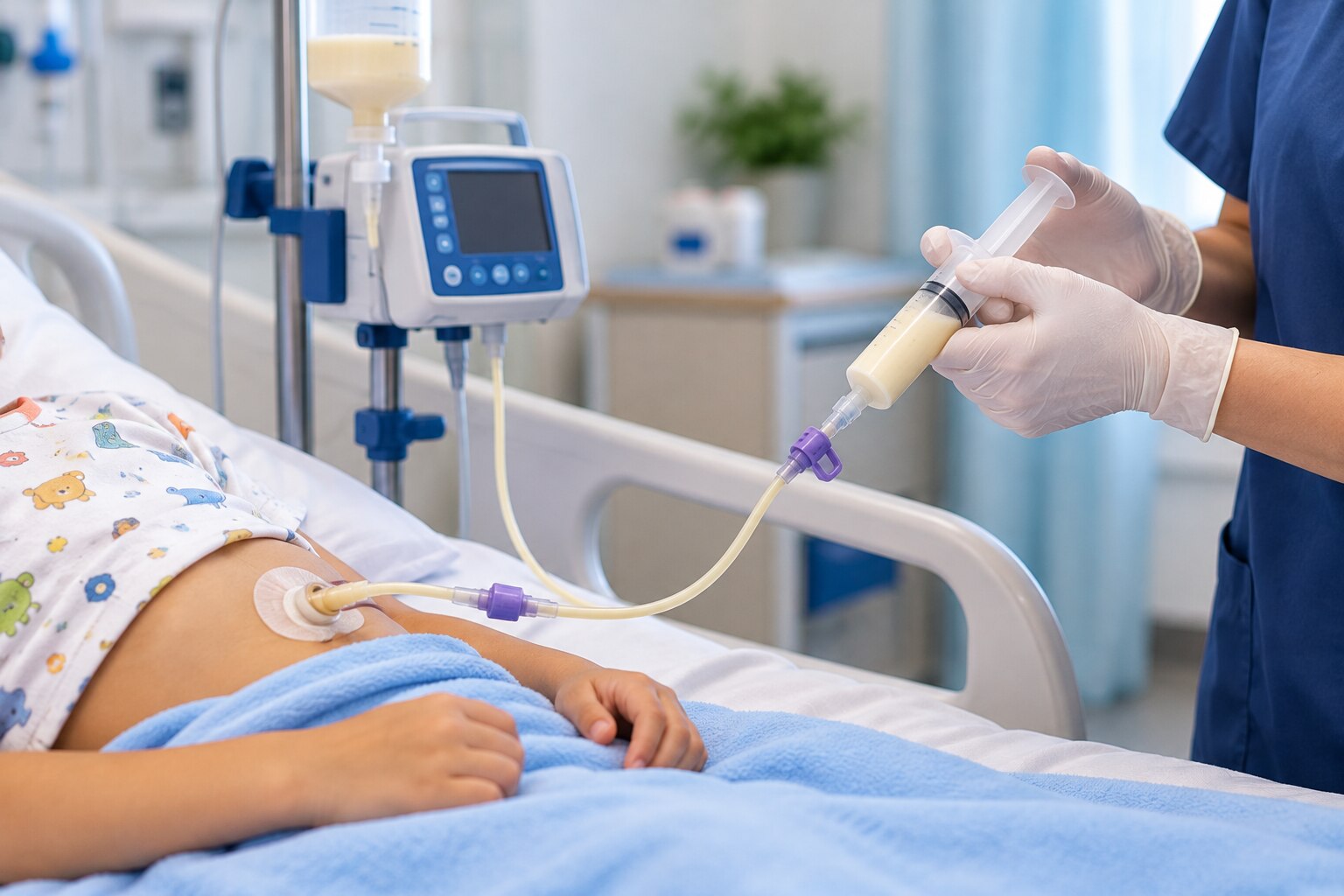
- Use prescribed liquid feeds and flush the tube with water before and after medicines.
- Keep chemotherapy, feed and tube-care instructions in one written schedule.
- Seek prompt medical advice for fever, worsening abdominal pain, leakage or a blocked tube.
What a PED or PEG Feeding Tube Does for a Cancer Patient
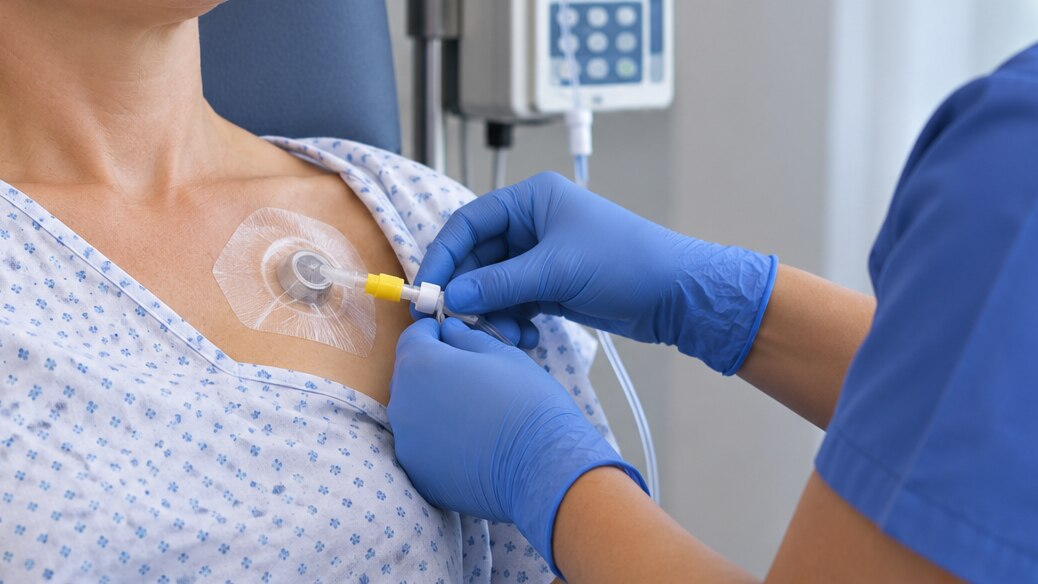
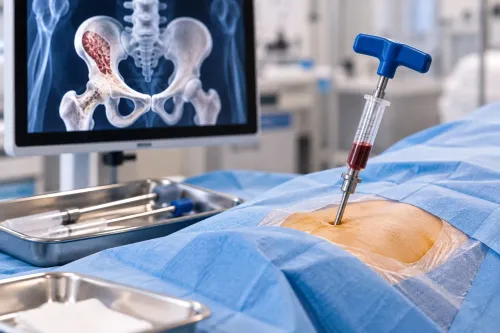
A “PED feeding tube” usually means a PEG tube: percutaneous endoscopic gastostomy. A clinician passes it through the abdominal wall into the stomach, allowing liquid nutrition, water and prescribed medicines to reach the digestive system without swallowing.
If the patient is a child, “PED” may mean a paediatric feeding tube instead, so confirm the exact tube recommended.
A PEG does not treat cancer or make chemotherapy, immunotherapy or radiation work directly. Its role is to protect nutrition and hydration when eating becomes unsafe, painful or insufficient. Key benefits include:
- Maintaining calorie and protein intake during treatment-related weight loss
- Reducing dehydration risk when drinking is difficult or vomiting persists
- Supporting treatment tolerance and lowering the chance that poor nutrition interrupts appointments
- Delivering nutrition when mouth sores, throat pain, oesophageal narrowing, fatigue or appetite loss limit eating
- Providing a route for prescribed medicines when swallowing is unsafe
Tube feeding becomes more relevant when oral intake remains below the patient’s needs, weight keeps falling, or swallowing is unsafe. Head-and-neck cancer, digestive-tract surgery and severe treatment toxicity can create this problem. A dietitian, oncologist and tube-placement specialist assess the treatment plan, hydration, swallowing and expected duration of poor intake before recommending it.
The benefits of ped feeding tube treatment in pune and ped feeding tube benefits in pune depend on choosing the correct device. Ask whether the recommendation is a PEG, radiologically inserted gastrostomy, nasogastric tube or jejunal tube, because placement, care and complications differ.
When Tube Feeding Is Appropriate and Which Alternative Fits
Chemotherapy alone is not a reason to place a feeding tube. Clinicians assess your intake, weight trend, hydration, swallowing safety, digestive-tract function and the expected duration of poor intake. A speech-and-swallow assessment determines whether you can safely continue eating and drinking; having a tube does not automatically stop oral intake.
| Option | What it means | When it fits |
|---|---|---|
| Oral food and supplements | Meals, high-protein drinks and prescribed nutrition supplements | Swallowing is safe and intake can meet needs |
| Nasogastric tube | A temporary tube passing through the nose into the stomach | Poor intake is expected to last a short period |
| PEG or radiologically inserted gastrostomy | A tube entering the stomach through the abdominal wall | Intake will remain inadequate for weeks and the stomach works |
| Jejunal tube | A tube delivering nutrition beyond the stomach | The stomach cannot be used, or reflux and aspiration risk require it |
| Parenteral nutrition | Nutrients delivered through an intravenous line | The gastrointestinal tract cannot provide usable nutrition |
If “PED feeding tube” appears in your plan, ask whether it means a PEG, a pediatric tube, a nasogastric tube or a jejunal tube. Their placement, care and risks differ. The practical ped feeding tube benefits in pune depend on choosing the right device, not simply having one.
Tube feeding becomes more relevant with persistent vomiting, severe mouth or throat pain, obstruction, neurological swallowing impairment or intake below requirements. In advanced cancer cachexia, artificial nutrition cannot reliably reverse metabolic wasting, so clinicians weigh expected benefit against infection, procedure and care burdens.
What to Expect Before, During and After Tube Placement
Assessment starts by confirming that poor intake is caused by treatment-related swallowing pain, obstruction, vomiting or another problem that will last long enough to justify a tube. The team reviews weight loss, hydration, swallowing safety, cancer treatment dates and expected recovery.
In adults, confirm the name: PEG usually means percutaneous endoscopic gastrostomy; “PED” may mean a paediatric tube or a local term.
1. Before placement, your oncologist, gastroenterologist or interventional endoscopist, oncology dietitian and, when needed, speech-and-swallowing therapist agree on the route. Options include PEG, radiologically inserted gastrostomy, nasogastric tube and jejunal tube. A head-and-neck patient may receive a prophylactic PEG before radiation or a reactive PEG after intake worsens; neither choice suits everyone.
2. During placement, the endoscopist passes a camera through the mouth into the stomach, identifies a safe abdominal site and guides the tube through the abdominal wall into the stomach. Sedation and local anaesthetic reduce discomfort. Ask whether you need fasting, medication changes or a blood-thinner plan before arriving.
3. After placement, staff check the tube and abdominal site before starting prescribed water and liquid feeds, often gradually. You receive instructions for flushing, medicines, positioning and dressing changes, plus a contact number for blockage, dislodgement or infection outside clinic hours.
A cancer feeding tube specialist in Pimpri Chinchwad should explain who handles each problem. Dr Siddhesh Tryambake can help coordinate feeding decisions with the cancer-treatment plan rather than treating tube placement as a separate procedure.
Related service
Procedure Guidance PED Feeding Tube Treatment in PCMC Expert PED Feeding Tube Management at Phoenix Cancer Care Clinic, PCMC At Phoenix Cancer Care Clinic, PCMC, Dr. View service → |
Managing Feeds, Medicines and Appointments During Chemotherapy
Coordinate the feeding schedule with the chemotherapy unit, not around it. Ask the oncology team whether to give the usual feed before treatment, pause it during the infusion, or resume it afterward; the answer depends on nausea, reflux, sedation, blood tests and the prescribed regimen.
Use a written daily plan showing feed volume, water flushes, medicines, anti-nausea doses and appointment times. Keep the patient upright during feeding and for the period specified by the clinical team. Coughing, breathlessness, a wet voice or repeated vomiting during feeds needs prompt review because a tube does not remove aspiration risk.
Good PED tube care for cancer patients includes:
- Wash hands before handling the tube, clean the skin around the stoma as instructed, and dry it fully.
- Flush with the prescribed amount of water before and after every feed and medicine. Flush between separate medicines so they do not mix inside the tube.
- Never crush enteric-coated or modified-release tablets. Ask the oncology pharmacist which medicines can go through the tube and whether a liquid alternative exists.
- Do not rotate, advance, unclamp or replace the tube unless the inserting team has taught you that specific procedure.
- Carry the tube type, medication list, feeding plan and emergency contact number to every chemotherapy or radiation appointment.
For feeding tube support during chemotherapy in Pune, ask which clinician handles blockage, leakage or accidental dislodgement after hours. Coordinate with the oncologist, tube specialist and dietitian before changing feed rates or skipping nutrition because of treatment-related nausea.
Tube Safety, Complications and When to Seek Help
A tube that has come out, stopped working, or is surrounded by spreading redness needs medical advice, not home experimentation. Do not push a displaced tube back in, force a blocked tube, or give feeds through a tube whose position is uncertain. A newly placed PEG can close quickly after dislodgement, making same-day assessment important.
Call emergency services for:
- Trouble breathing, choking, blue lips, severe weakness, or suspected feed entering the lungs.
- Heavy or persistent bleeding, severe abdominal pain, a hard or swollen abdomen, repeated vomiting, or collapse.
Contact the treating team promptly for:
- Fever, worsening pain, pus, warmth, swelling, or spreading redness around the opening.
- New leakage of feed or stomach fluid, skin breakdown, resistance during flushing, or repeated blockage.
- Diarrhoea, constipation, vomiting, or inability to keep prescribed water and medicines down.
| Problem | What you should do | Urgency |
|---|---|---|
| Dislodged tube | Stop feeds and cover the opening with clean gauze; seek tube-team assessment | Immediate, especially within weeks of placement |
| Blocked tube | Stop using it; never use force, sharp objects, or fizzy drinks unless instructed | Same day |
| Infection signs | Check temperature and contact the oncology or tube team | Promptly |
| Breathing difficulty or collapse | Stop feeding and call emergency services | Emergency |
Good PED tube care for cancer patients includes handwashing, the prescribed flush schedule, and checking the external length before each feed. Ask a cancer feeding tube specialist Pimpri Chinchwad service who handles blockage and dislodgement overnight, and whether an oncologist, endoscopist, dietitian, and swallowing therapist are available.
Frequently asked questions
What does a PEG feeding tube do for a cancer patient?
A PEG tube delivers liquid nutrition, water and prescribed medicines into the stomach when eating or swallowing is difficult. It does not treat the cancer itself; it supports nutrition and hydration during treatment.
When is tube feeding appropriate during cancer treatment?
A cancer team may recommend tube feeding when treatment causes swallowing difficulty, painful mouth or throat inflammation, repeated choking, inadequate intake, weight loss or dehydration. Ask whether a PEG, nasogastric tube or another option fits your diagnosis and expected treatment duration.
How should you manage feeds and medicines through a PEG tube?
Follow the prescribed feed volume, timing and position instructions. Flush the tube with the specified amount of water before and after medicines, give each medicine separately, and ask a pharmacist before crushing any tablet.
When should you seek help for PEG tube complications?
Contact your clinical team promptly for fever, increasing redness or swelling, worsening abdominal pain, persistent vomiting, bleeding, leakage around the tube, severe diarrhoea or a blocked tube. Do not force water or a syringe into a resistant tube.
Keywords