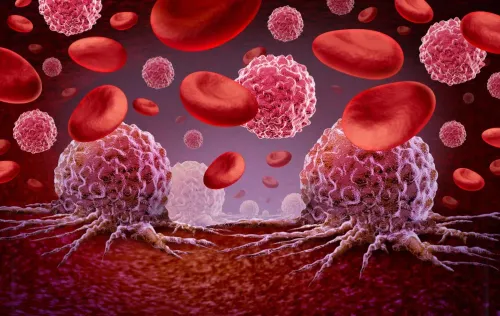

Multiple myeloma is a type of blood cancer that develops in plasma cells, a group of white blood cells responsible for producing antibodies that help the body fight infections. Although it is considered a chronic and complex cancer, advances in medical oncology have made it possible to control the disease effectively for many patients through personalized treatment strategies.
If you are looking for multiple myeloma treatment in Pune, understanding the disease, its symptoms, and modern treatment options can help you approach the diagnosis with greater clarity and confidence.
What Is Multiple Myeloma?
Plasma cells are produced in the bone marrow and play an important role in the immune system. In multiple myeloma, these cells become cancerous and multiply uncontrollably, affecting the production of healthy blood cells and weakening bones, kidneys, and the immune system.
Unlike many other cancers, multiple myeloma often affects several areas of the bone marrow at the same time, which is why it requires specialized diagnosis and long-term management.
Common Symptoms of Multiple Myeloma
The symptoms may develop gradually and are sometimes mistaken for age-related problems or other medical conditions.
Common signs include:
- Persistent bone pain, especially in the back or ribs
- Frequent fractures after minor injuries
- Fatigue and weakness
- Recurrent infections
- Unexplained weight loss
- Increased thirst
- Numbness or weakness in the legs
- Kidney-related problems
- High calcium levels in the blood
Not every patient experiences all of these symptoms, but persistent or unexplained concerns should always be evaluated by an oncology specialist.
How Is Multiple Myeloma Diagnosed?
Diagnosing multiple myeloma involves several investigations to confirm the disease and understand its severity.
These may include:
- Complete Blood Count (CBC)
- Kidney function tests
- Blood calcium levels
- Serum protein electrophoresis
- Free light chain assay
- Urine protein analysis
- Bone marrow aspiration and biopsy
- PET-CT, MRI, or CT scans
- Cytogenetic and molecular studies
These tests help determine the stage of the disease and guide treatment decisions.
Treatment Options for Multiple Myeloma
Treatment is individualized based on the patient's age, symptoms, overall health, and genetic profile.
Chemotherapy
Chemotherapy helps control abnormal plasma cells and remains an important part of treatment for many patients.
Targeted Therapy
Targeted medicines attack specific proteins involved in the growth of myeloma cells while limiting damage to healthy tissues.
Immunotherapy
Modern immunotherapy helps the immune system recognize and destroy cancer cells more effectively in selected patients.
Stem Cell Transplant
Eligible patients may undergo autologous stem cell transplantation after initial treatment to improve long-term disease control.
Bone Health Management
Since multiple myeloma weakens bones, treatment often includes medications to strengthen bone tissue and reduce the risk of fractures.
Living with Multiple Myeloma
Many patients now live active and productive lives for years after diagnosis thanks to improvements in treatment.
Successful long-term management often includes:
- Regular follow-up appointments
- Periodic blood investigations
- Imaging when required
- Monitoring kidney function
- Infection prevention
- Balanced nutrition
- Physical activity as advised by the treating doctor
Consistent monitoring allows doctors to detect disease progression early and adjust treatment accordingly.
Receiving Multiple Myeloma Care in Pune and PCMC
Patients from Pune, PCMC, Pimpri, Chinchwad, Wakad, Hinjawadi, Ravet, Punawale, Nigdi, and Pimple Saudagar can access advanced oncology care closer to home.
Local treatment offers several practical benefits:
- Easier access to specialist consultations
- Reduced travel during repeated treatment sessions
- Better family involvement throughout treatment
- Convenient follow-up visits
- Improved continuity of care over the long term
These advantages help reduce the physical and emotional burden associated with frequent hospital visits.
Questions to Discuss with Your Oncologist
Before beginning treatment, patients should consider asking:
- What stage is my multiple myeloma?
- Which treatment option is most appropriate for me?
- Am I a candidate for stem cell transplantation?
- How often will I need follow-up investigations?
- What side effects should I expect?
- How can I protect my bone health during treatment?
- What lifestyle changes can support my recovery?
Open discussions with the oncology team help patients understand their diagnosis and participate actively in treatment decisions.
Moving Forward with Confidence
Although multiple myeloma remains a complex blood cancer, modern medical advances have significantly improved its management. Personalized treatment plans, targeted therapies, immunotherapy, and better supportive care now allow many patients to achieve longer periods of disease control while maintaining a better quality of life.
For individuals seeking multiple myeloma treatment in Pune, consulting an experienced oncology specialist is an important first step. Dr. Siddhesh Tryambake develops individualized treatment strategies based on each patient's disease profile, overall health, and treatment goals, ensuring comprehensive care from diagnosis through long-term follow-up.
Keywords