
The right treatment depends on your cancer’s pathology, stage, biomarkers, treatment goal, health and personal priorities—not simply on where you live. By the end, you will know which questions to ask, how to compare chemotherapy with other options, and what to take to an oncology consultation in Pune or PCMC.
Key takeaways
- Start with the biopsy, pathology report and cancer stage—not location.
- Ask what chemotherapy is intended to achieve: cure, control, or symptom relief.
- Compare chemotherapy with surgery, radiation, immunotherapy and targeted treatment.
- Bring scans, pathology slides, biomarker results and a complete treatment history.
How Oncologists Decide Whether Chemotherapy Fits Your Case
The answer to “is chemotherapy right for me in Pune” starts with the biopsy and pathology diagnosis, not the city. Oncologists review the cancer stage, staging scans, biomarker results, previous treatments and the intended goal: cure, recurrence reduction, tumour control or symptom relief.
Biomarker testing can change the plan. Depending on the cancer, results may include hormone receptors, HER2, EGFR, ALK, BRAF, KRAS, MSI/dMMR or BRCA-related alterations. A commercial molecular panel does not guarantee that a useful drug exists; results must match the tumour, pathology and clinical context.
Your treatment fitness and practical circumstances also shape the recommendation:
- Age, performance status, nutrition and other illnesses
- Kidney function, liver function and blood counts
- Current medicines, allergies and previous treatment toxicity
- Fertility plans, including the need to discuss sperm banking or egg or embryo freezing before treatment
- Work demands, caregiving responsibilities and travel time
- Ability to attend blood tests, monitoring visits and urgent assessments
Chemotherapy is not one standard treatment. The cancer and your health determine the drug, dose, schedule and number of cycles. Pune does not change the medical indication, but safe care requires reliable laboratory services, treatment monitoring, urgent assessment and emergency coordination between visits. Ask how these services will work before starting.
When Chemotherapy Is Recommended—and What Benefit It Is Meant to Deliver
Chemotherapy is recommended in Pune for a specific cancer, stage and treatment goal—not simply because a tumour is present. The same drug can aim to cure, reduce recurrence, control spread or relieve symptoms, and the likely benefit varies between diagnoses.
- Neoadjuvant chemotherapy is given before surgery or radiation to shrink a tumour, make local treatment possible or test how the cancer responds.
- Adjuvant chemotherapy follows surgery, and sometimes radiation, to destroy microscopic disease and reduce recurrence risk.
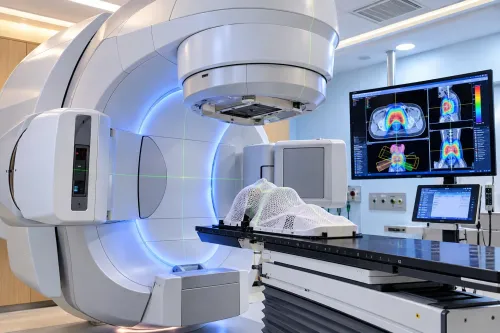
- Concurrent chemotherapy is delivered with radiation when the combination improves local control, as in selected cancers.
- Blood cancers such as leukaemia, lymphoma and myeloma may need chemotherapy as a central treatment, sometimes with other medicines or a transplant plan.
- For metastatic disease, systemic chemotherapy travels through the bloodstream to shrink or slow cancer in several locations, prolong control or ease pain, breathlessness and pressure symptoms.
A response rate tells you how many people had measurable tumour shrinkage. It does not tell you the absolute benefit: ask how many additional people avoid recurrence, how long control lasts, and whether the aim is cure or comfort.
Chemotherapy benefits and risks in Pune include possible shrinkage, symptom relief and cure for particular cancers, balanced against infection, fatigue, organ toxicity, fertility effects, travel and infusion burden. If cure is not possible, supportive and palliative care can accompany anticancer treatment to manage pain, nausea, nutrition, sleep and emotional strain.
When Another Treatment May Be Better—or Used Alongside Chemotherapy
Chemotherapy alternatives for cancer include targeted therapy, immunotherapy, hormone therapy, surgery, radiation, active surveillance and palliative care. The best choice depends on tumour biology, spread, treatment goal and your health; these options can also be combined rather than used as replacements.
| Option | When it fits | What to weigh |
|---|---|---|
| Chemotherapy | Bloodstream or microscopic disease; some curative and metastatic plans | Whole-body toxicity and infusion burden |
| Targeted therapy | An actionable alteration such as EGFR, ALK, BRAF, HER2 or BRCA-related change | Skin, blood-pressure, heart, liver or lung effects; a mutation does not guarantee benefit |
| Immunotherapy | Tumour or patient features predict response, such as MSI/dMMR in suitable cancers | Immune inflammation of the lungs, bowel, liver, thyroid or other endocrine glands |
| Hormone therapy | Hormone-sensitive cancer | Usually slower control; resistance can develop |
| Surgery | Disease confined to a removable site | Does not treat unseen bloodstream disease |
| Radiation | Local or regional control, including symptom relief | Does not universally replace systemic treatment |
| Surveillance or palliative care | Slow-growing cancer, or burden greater than likely benefit | Requires planned review, or focuses on comfort rather than tumour treatment |
Surgery and radiation treat local or regional disease; chemotherapy travels through the bloodstream. Ask for the absolute benefit, expected response duration, treatment burden, clinical-trial options and the safety of no immediate treatment. A high-burden case may favour observation or symptom-focused care, even when another anticancer treatment exists.
The Treatment Burden: Side Effects, Monitoring and Practical Trade-Offs
A chemotherapy plan trades a possible cancer benefit for time, monitoring and regimen-specific toxicity. To judge the chemotherapy benefits and risks in Pune, ask which effects are likely, which are reversible and how treatment could affect daily function.
- Low neutrophils can lead to a serious infection; anaemia can cause breathlessness and weakness; thrombocytopenia can cause bruising or bleeding.
- Nausea, vomiting, diarrhoea, constipation, fatigue, hair loss and mucositis (painful mouth or throat sores) can disrupt eating, sleep and work.
- Neuropathy can cause numbness, tingling or balance problems. Some drugs can affect fertility, kidneys, heart or other organs.
- Allergic or infusion reactions can occur during treatment. Late effects can appear months or years later, depending on the drugs and dose.
A temperature of 38°C (100.4°F) or higher during chemotherapy requires immediate contact with your oncology team or emergency assessment. Do not wait for the next appointment or take leftover antibiotics.
Before each cycle, clinicians review symptoms, examination findings, blood counts, kidney and liver function, and regimen-specific tests. If toxicity makes the planned dose unsafe, they may delay treatment, reduce the dose or add supportive medicines.
Measure the practical burden by asking about:
- Number of cycles, treatment duration, hospital visits and monitoring tests.
- Time away from work or caregiving, travel, cost and expected functional impact.
If future biological children matter, discuss fertility preservation before treatment. Options include sperm banking or egg or embryo freezing; referral must fit the urgency of cancer treatment.
What to Bring to a Pune Oncology Decision Visit
Bring complete records, not just a prescription, to an oncology treatment decision in PCMC. Use this checklist:
- Biopsy and pathology reports, plus pathology slides or tissue blocks where available
- Staging scans, written reports and image discs
- Immunohistochemistry and molecular test results
- Prior treatment records, including drug names, doses and dates
- Medication and supplement lists, with allergies
- Recent blood counts and kidney and liver results
- Written goals and concerns, including work, travel, caregiving and fertility priorities
Ask:
- What is the exact diagnosis and stage?
- Is the aim cure, recurrence reduction, tumour control or symptom relief?
- What is the absolute benefit, not only the response rate?
- How many cycles, visits and monitoring tests are planned?
- Which effects are reversible?
- What happens if treatment is delayed?
- Are there alternatives, a clinical trial or a safe no-treatment option?
- Who handles a 38°C fever after hours?
| Option | Why compare it | Question to resolve |
|---|---|---|
| Second opinion | Checks rare, uncertain or high-risk decisions | Would another pathology or treatment review change the plan? |
| Clinical trial | Offers a studied option beyond standard care | Do I meet the eligibility criteria? |
| No immediate treatment | Avoids burden when benefit is small | How will symptoms and disease be monitored safely? |
A second opinion is particularly valuable for rare cancers, intensive treatment, uncertain pathology or major long-term effects. Take these records to Dr Siddhesh Tryambake in Pimpri Colony; complete records, clear goals and a between-cycle monitoring plan make the discussion more reliable.
Related services
Cancer Medicine Chemotherapy is one of the most effective and widely used cancer treatments designed to destroy or control the growth of cancer cells. View service → |
Dignostics Cancer Treatment Planning in PCMC – Personalized Oncology Care Comprehensive Cancer Treatment Planning at Phoenix Cancer Care Clinic, PCMC At Phoenix... View service → |
Frequently asked questions
How do oncologists decide whether chemotherapy fits my case?
They review your biopsy and pathology diagnosis, cancer stage, staging scans, biomarker results, previous treatments, overall health and the intended treatment goal.
When is chemotherapy recommended in Pune?
Chemotherapy is recommended when its expected benefit matches the cancer type, stage and treatment goal, such as curing cancer, reducing recurrence risk, controlling a tumour or relieving symptoms.
What are the main chemotherapy benefits and risks?
The benefit depends on the treatment goal and may include eliminating cancer cells, shrinking a tumour or delaying progression. Risks include side effects, monitoring needs, treatment time and practical effects on daily life.
What are the alternatives to chemotherapy for cancer?
Depending on the diagnosis, alternatives or companion treatments can include surgery, radiation therapy, immunotherapy, targeted therapy, hormone therapy or active surveillance.
What should I bring to an oncology treatment decision visit in PCMC?
Bring your pathology report and slides if available, staging scans and reports, biomarker results, medication list, previous treatment records, allergies and a written list of questions.
Related services
Cancer Medicine Targeted Therapy for Cancer Treatment in PCMC Advanced Targeted Therapy at Phoenix Cancer Care Clinic, PCMC At Phoenix Cancer Care Clinic, PCMC, Dr. View service → |
Cancer Medicine Metronomic Therapy for Cancer Treatment in PCMC Advanced Metronomic Therapy at Phoenix Cancer Care Clinic, PCMC At Phoenix Cancer Care Clinic, PCMC,... View service → |
Cancer Screening Geriatric Oncology Services in PCMC Specialized Cancer Care for Senior Citizens at Phoenix Cancer Care Clinic At Phoenix Cancer Care Clinic, PCMC,... View service → |
Keywords