Intrathecal chemotherapy places selected cancer medicines into cerebrospinal fluid through a lumbar puncture or, for some patients, an implanted reservoir. You will be able to identify when this route is considered, prepare for the appointment, follow each safety step, and recognise symptoms that need urgent medical attention.
Key takeaways
- Intrathecal chemotherapy places medicine into CSF through a lumbar puncture or Ommaya reservoir.
- Bring your medication list, reports and details of blood-thinning medicines to assessment.
- Ask who will administer the drug, how results are monitored and where urgent help is available.
- Report severe headache, fever, vomiting, confusion, weakness or worsening back pain promptly.
When doctors recommend chemotherapy into cerebrospinal fluid
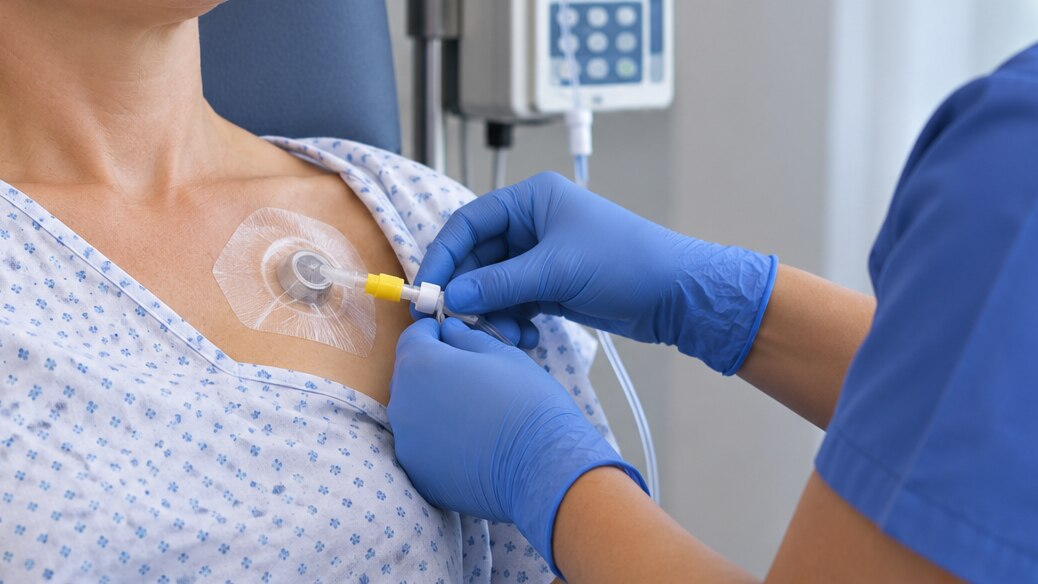
Intrathecal chemotherapy delivers an anticancer drug into cerebrospinal fluid (CSF), not into a vein. Doctors usually administer it through a lumbar puncture; selected patients receive it through an implanted ventricular reservoir called an Ommaya reservoir. The route places medicine around the brain and spinal cord, where some intravenous drugs penetrate poorly.
Doctors may recommend it for selected acute leukaemias, lymphomas, or cancer involving the central nervous system. Findings such as leukaemia or lymphoma cells in CSF, brain or spinal-cord involvement on imaging, neurological symptoms, or a high predicted risk of CNS spread can lead to treatment.
The team reviews pathology, CSF results, imaging, blood counts and the wider systemic-treatment protocol before recommending it.
| Route | Purpose | Where medicine enters |
|---|---|---|
| Intrathecal chemotherapy | Treats or prevents CNS cancer spread | Cerebrospinal fluid |
| Intravenous chemotherapy | Treats cancer throughout the bloodstream and body | Vein |
| Spinal anaesthesia | Numbs the lower body for a procedure | CSF space |
| Epidural | Provides regional pain relief through a catheter outside the dura | Epidural space, not CSF |
Intrathecal treatment is not a routine replacement for systemic chemotherapy and is not appropriate for most solid tumours. “Spinal chemotherapy treatment in Pune” and “intrathecal chemotherapy treatment for steps in Pune” describe searches for this service, but the accurate clinical term is intrathecal chemotherapy: a carefully selected CNS-directed treatment, not anaesthesia or an ordinary infusion.
How the Pune appointment is assessed and scheduled
Before an intrathecal cancer treatment appointment, a haematologist or medical oncologist confirms the diagnosis, protocol, treatment purpose and your readiness for lumbar puncture. The team reviews pathology, cerebrospinal-fluid results, scans, previous treatment records and neurological symptoms. Imaging or assessment for raised intracranial pressure is arranged when clinically indicated.
1. Bring pathology reports, scan reports and images, previous treatment records, a current medicine list and allergy information. Disclose prior lumbar surgery, fever or other infection symptoms, new headache, weakness, numbness, confusion, seizures or walking difficulty.
2. The team checks blood counts, including platelet count, and coagulation status. Tell them about anticoagulants such as warfarin, apixaban or heparin, and antiplatelet drugs such as aspirin or clopidogrel. Do not stop blood thinners independently; the oncology and procedure teams decide whether to withhold a dose or delay treatment.
3. Staff reconcile every medicine, review previous drug reactions and explain the planned drug, route, benefits, risks and alternatives before obtaining informed consent.
4. The centre then schedules day-care admission according to the treatment protocol. Repeated induction, consolidation or prophylaxis doses may be booked alongside systemic chemotherapy.
5. Confirm eating and drinking instructions, required arrival time, whether a companion must attend and whether you need an escort home. Plan travel conservatively, especially if you may feel dizzy or unwell, and ask when driving or public transport is safe.
What happens during the intrathecal chemotherapy procedure
Identity and medication checks happen before the lumbar puncture, not after it. A typical intrathecal chemotherapy procedure in Pune follows these steps:
1. Staff confirm your full name, date of birth, hospital identification number, diagnosis and planned treatment. The prescriber reviews the prescription, consent form, blood results and any required cerebrospinal-fluid test.
2. Before positioning you, staff independently verify the patient, drug name, dose, route, expiry date and prescription. The medicine must be preservative-free, prepared and labelled specifically for intrathecal or spinal administration—not for intravenous use. An intravenous drug must never be injected into the spinal canal.
3. You sign informed consent after the clinician explains the procedure, expected benefits, risks and alternatives. You lie on your side with your knees drawn up, or sit leaning forward so the lower back is accessible.
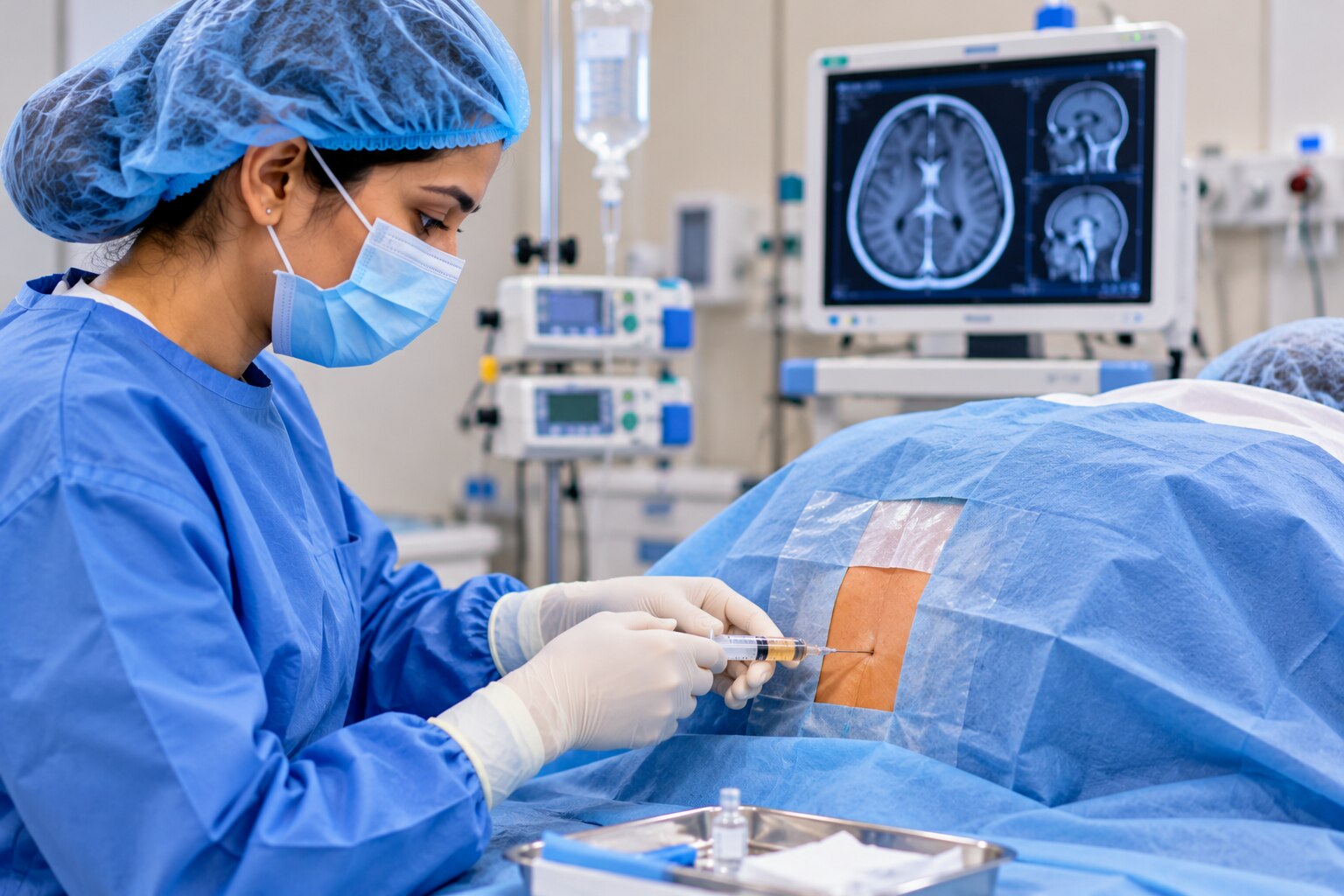
4. Staff clean the skin with an antiseptic solution and maintain a sterile field. A local anaesthetic numbs the puncture site.
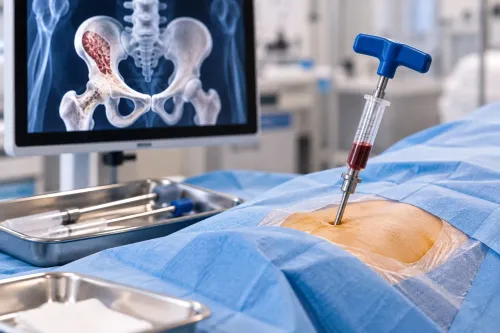
5. The clinician inserts a spinal needle between two lower-back vertebrae. If the protocol requires it, staff collect cerebrospinal fluid for laboratory testing before giving the medicine.
6. The prescribed drug is injected slowly into the cerebrospinal-fluid space. Preservative-free methotrexate, cytarabine or thiotepa may be used, but the dose, dilution, frequency and number of treatments depend on the disease protocol.
7. The needle is removed and a small dressing covers the site. Trained staff must administer this high-risk route under separate prescribing, preparation and checking safeguards.
Recovery, warning signs and the wider treatment plan
What follows spinal chemotherapy treatment in Pune starts with observation for immediate problems. Keep the dressing clean and dry, and follow the centre’s instructions about activity, hydration and travel. Do not drive or travel far until you know how you feel and have confirmed that travel is safe.
- Rest as instructed after the lumbar puncture. Back soreness, local tenderness, mild nausea or dizziness can occur.
- Watch for a post-lumbar-puncture headache. It is often worse when sitting or standing and improves when you lie down.
- Take only medicines approved by your treatment team, and follow their fluid, activity and follow-up instructions.
Contact the treatment team promptly, or seek emergency care, for a severe or persistent headache, fever, neck stiffness, confusion, seizure, new weakness or numbness, difficulty walking, repeated vomiting, loss of bladder or bowel control, bleeding, or increasing redness at the puncture site.
Intrathecal methotrexate or cytarabine can cause chemical meningitis or neurotoxicity. Headache, fever, drowsiness, nausea, neck stiffness, confusion, seizures or focal neurological symptoms need assessment; do not dismiss progressive symptoms as routine puncture discomfort.
One appointment rarely completes cancer treatment. Repeated induction, consolidation or prophylaxis doses may be scheduled alongside systemic chemotherapy, with timing determined by your disease and protocol. Keep every follow-up appointment and ask for the next planned dose before leaving.
How to choose a centre for intrathecal chemotherapy in Pune
Before booking chemotherapy administration in Pune, confirm that the centre performs intrathecal treatment, not only intravenous infusions. An infusion-only facility may lack the lumbar-puncture procedure, sterile preparation, and medication-safety controls required for this high-risk route.
Ask these questions before fixing an appointment:
- Does a haematologist or medical oncologist review my diagnosis, protocol, medicines, allergies and neurological symptoms?
- Are platelet count, coagulation tests and other pre-treatment blood tests checked?
- Can the unit perform the lumbar puncture and prepare the medicine under sterile conditions?
- Are the patient, drug name, dose, expiry, prescription and intrathecal route checked independently?
- How long will observation continue, and what emergency escalation is available?
- Who answers questions after discharge, and which number should I call for headache, fever, weakness or vomiting?
| Unit type | What it provides | Main concern |
|---|---|---|
| Infusion-only facility | Intravenous chemotherapy administration | It may not have lumbar-puncture expertise or intrathecal safeguards |
| Procedure-capable oncology unit | Assessment, sterile lumbar puncture, route checks and observation | Confirm the named protocol and responsible clinicians |
You can ask Dr Siddhesh Tryambake’s cancer-treatment clinic in Pimpri Colony, Morewadi, Pune whether intrathecal treatment suits your case, which records are required, how scheduling works and what protocol the clinic has confirmed. Do not assume advertised availability proves every safety step is in place.
Compare the complete care pathway, not simply the advertised availability of chemotherapy.
Related service
Procedure Guidance Treatment in PCMC Advanced Intrathecal Chemotherapy at Phoenix Cancer Care Clinic, PCMC Phoenix Cancer Care Clinic offers specialized Intrathecal... View service → |
Frequently asked questions
When do doctors recommend chemotherapy into cerebrospinal fluid?
Doctors consider intrathecal chemotherapy when cancer cells are present in, or threaten, the cerebrospinal fluid around the brain and spinal cord. The treatment plan depends on the cancer type, CSF findings, imaging and other therapies.
How is an intrathecal chemotherapy appointment assessed and scheduled in Pune?
The team reviews your diagnosis, previous treatment, medicines, blood-test results, infection risk and any blood-thinning medication. They then confirm the treatment route, required tests, appointment timing and the monitoring plan.
What happens during the intrathecal chemotherapy procedure?
Most procedures use a lumbar puncture to collect CSF and deliver the prescribed drug. Selected patients receive treatment through an implanted Ommaya reservoir. Staff monitor you during and after administration.
What warning signs need urgent medical attention after treatment?
Contact your treatment team urgently for fever, severe or persistent headache, repeated vomiting, confusion, seizures, new weakness, difficulty walking, or worsening back pain. Follow the clinic’s discharge instructions for emergency contact.
Keywords